Results for “norwegian history”
Articles
5 articles

Bryggen: Bergen's UNESCO World Heritage Hanseatic Waterfront
The row of pointed gables lining Bergen's eastern harbour – red, yellow, ochre, and weathered brown – is one of the most recognised skylines in Scandinavia. Bryggen (simply "the wharf" in Norwegian) was for four centuries the most important node in...

Oslo's Viking Ship Museum: The World's Best-Preserved Viking Vessels
On the Bygdøy peninsula — Oslo's museum quarter — stands a cross-shaped building of modest exterior and extraordinary interior. The Viking Ship Museum (Vikingskipshuset) holds what is beyond reasonable argument the finest collection of original Vikin...

Norwegian Food: What to Eat and Drink When Visiting Norway
Norwegian food is a product of its geography and climate. Long, dark winters encourage preservation — curing, smoking, drying, fermenting. The North Sea and Norwegian Sea provide an extraordinary abundance of fish and seafood. Dairy farming thrives i...

Viking Age Norway: History, Myths, and Where to Experience It Today
The Viking Age – broadly defined as the period from the first recorded Norse raid (Lindisfarne Monastery, 793 AD) to the Battle of Hastings (1066 AD) – transformed medieval Europe and established Norse seafarers as the most wide-ranging explorers of ...

Little Sweden in America: The 5 Most Fascinating Swedish Enclaves You've Never Visited
Between 1850 and 1920, over 1.3 million Swedes emigrated to the United States — at one point representing the third-largest immigrant group after Germans and Irish. They settled predominantly in the Upper Midwest (Minnesota, Illinois, Wisconsin, Iowa...
Also mentions “norwegian history”
Articles where “norwegian history” appears but isn’t the main topic.

Oslo City Guide: The Best Museums, Neighbourhoods, and Experiences

Which countries are actually European?

Guatemala Beyond the Ruins: Living Maya Culture, Volcano Towns, and the World's Most Beautiful Lake
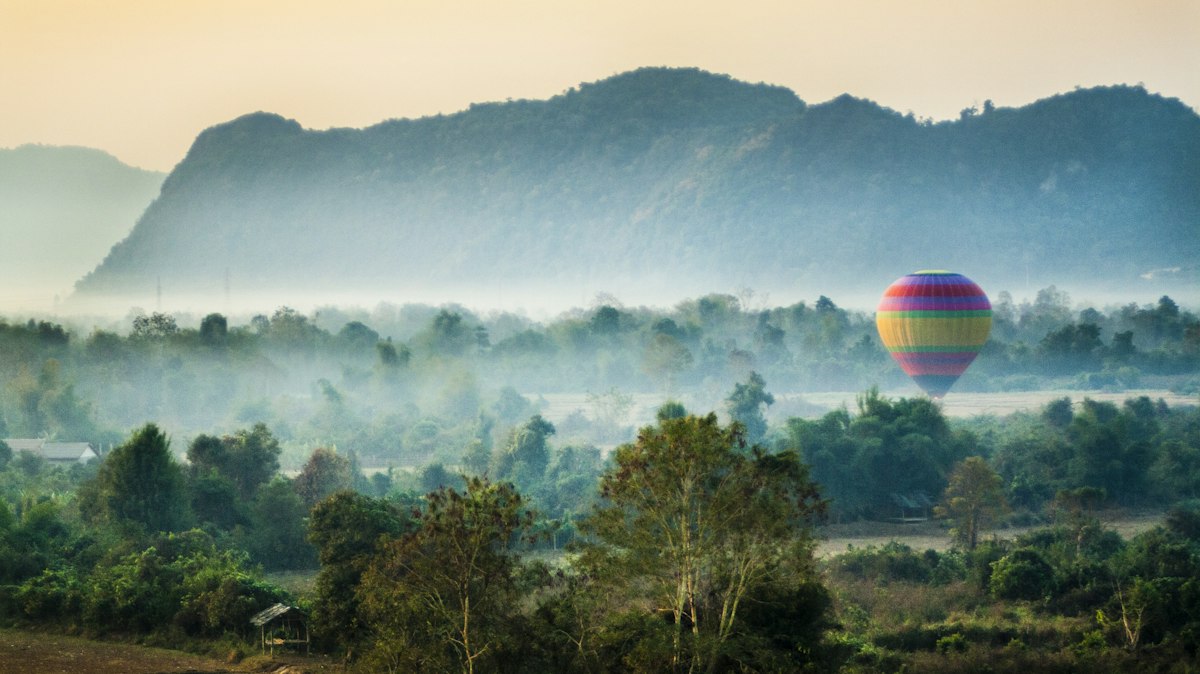
Laos Travel Guide: Slow Boats, Sacred Mornings, and Southeast Asia's Last Quiet Corner

Socotra: A real mysterious island

Guam: America's Tropical Secret in the Pacific — Who Lives There, What's Going On, and Why You Should Visit

Earthquakes in Chile: Everything a Traveler Needs to Know Before Going

Mauritius: The Island That Does Everything Quietly and Brilliantly

Guinea: What Is It Famous For? (More Than You'd Expect)
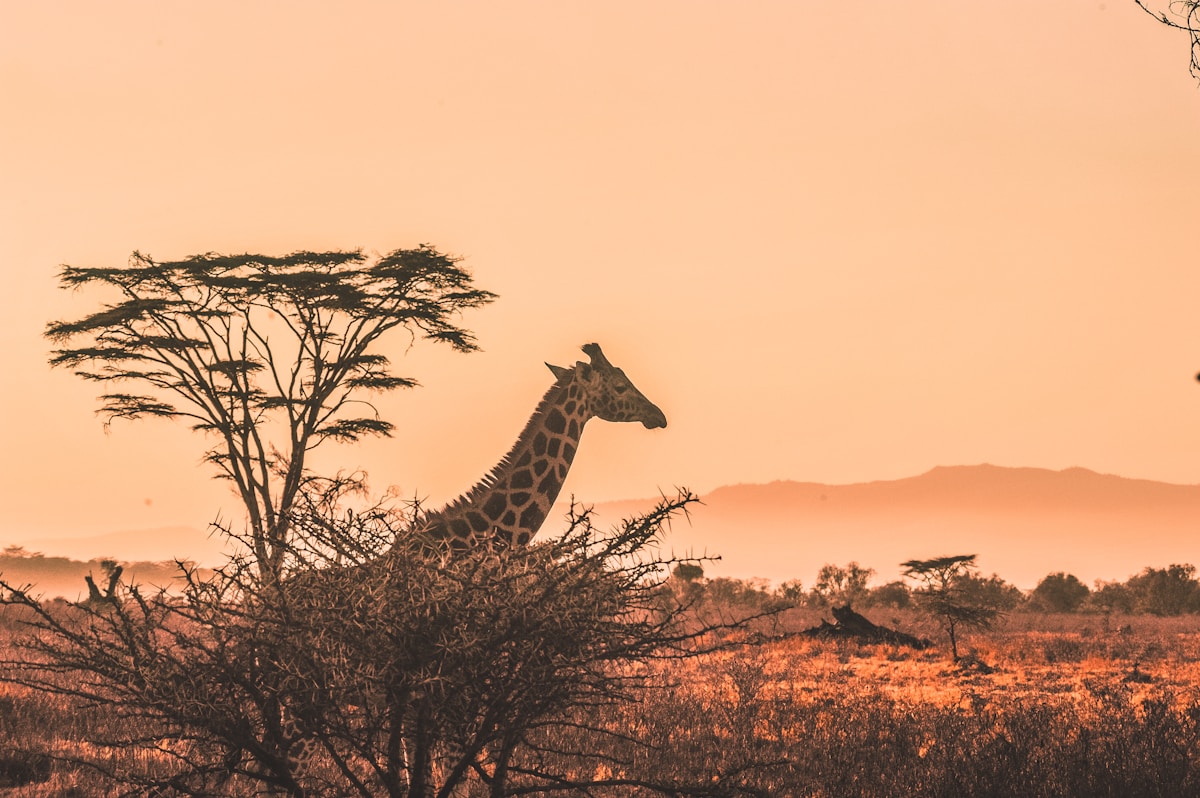
Ethiopia: What to Do, Where to Go, and Why It Surprises Every Visitor

Cyprus: 9 Reasons You Should Actually Go
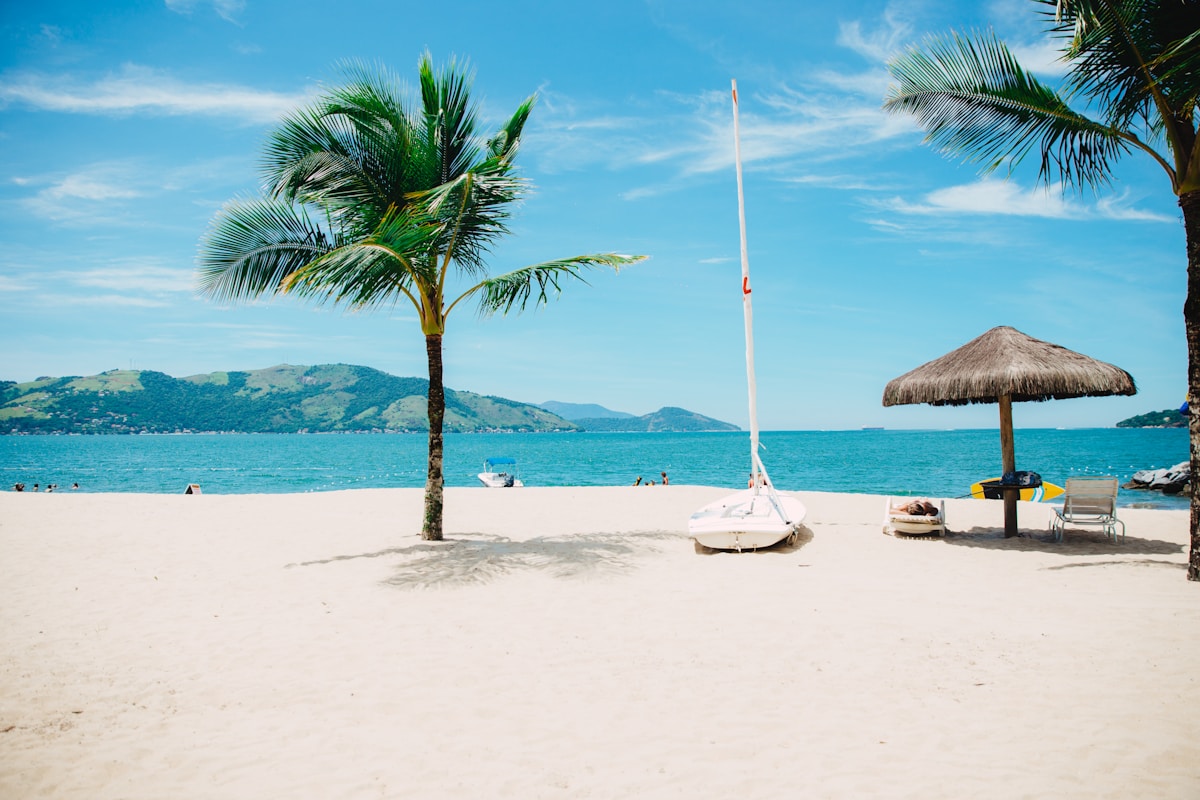
Antigua and Barbuda: What Is Actually There (And Why It's Worth Going)

Rwanda in 2026: Is It Safe? And What Should You Actually See?

The Beach Where "Jaws" Was Filmed: Is Martha's Vineyard Worth Visiting Today?
