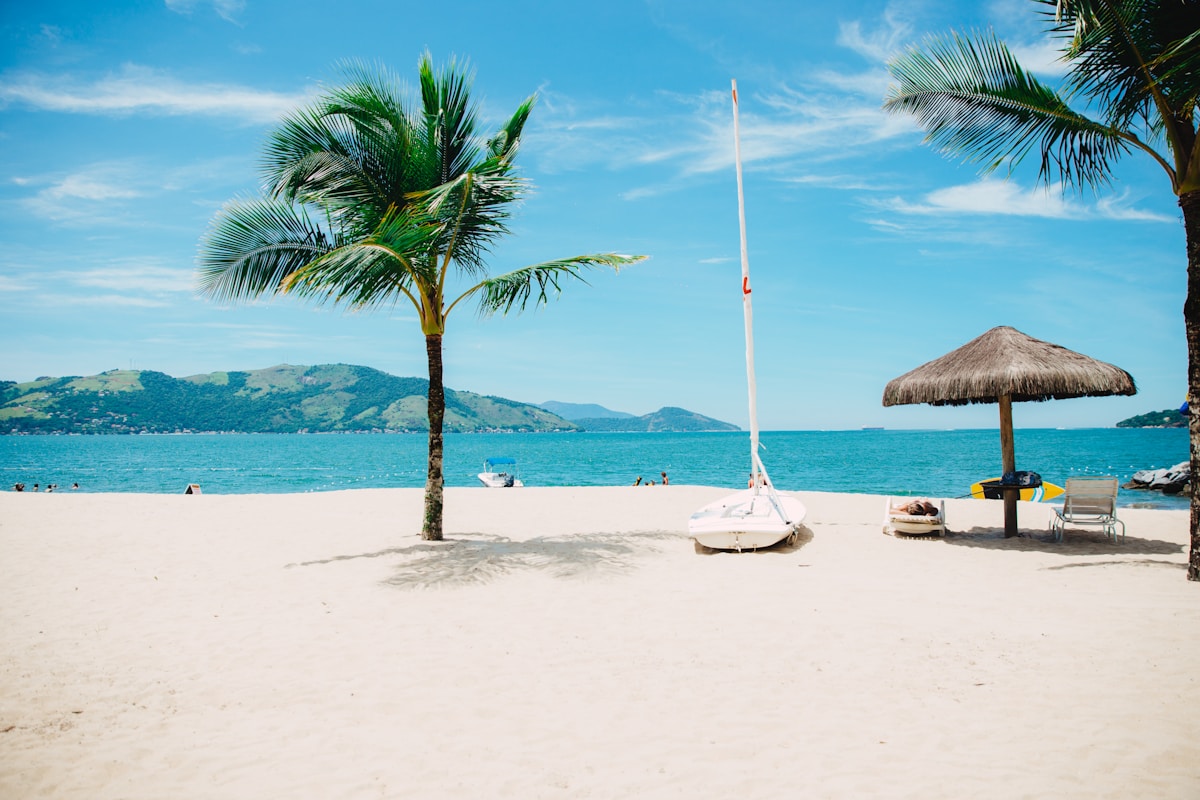
Antigua and Barbuda is a two-island nation in the Eastern Caribbean, sitting between the Atlantic Ocean and the Caribbean Sea. It's small - Antigua is about 108 square miles, Barbuda about 62 - but within that size it packs more variety than many destinations three times larger. Here's what's actually there.
Antigua: The Main Island

The Beaches
The famous claim is that Antigua has 365 beaches - one for every day of the year. The real number is closer to 100, still remarkable for an island this size. Most are sheltered, with calm turquoise water and soft white or golden sand formed from crushed coral.
- Half Moon Bay - consistently ranked one of the best beaches in the Caribbean. A sweeping horseshoe of pale sand on the southeastern coast, exposed enough to have some surf but calm at the edges. Minimal development.
- Dickenson Bay - the most developed beach, on the northwest coast near the capital St. John's. Hotels, water sports, restaurants along the shore. Good for families or anyone who wants amenity close by.
- Jolly Harbour - a marina resort area on the west coast. Calm water, good snorkeling on the reef just offshore, marina restaurants.
- Pigeon Point - quiet and local, just outside Falmouth Harbour on the south coast. One of the better spots on that side of the island.
- Darkwood Beach - a long stretch of sand on the west coast backed by almond trees. Less visited, excellent snorkeling on the reef.
English Harbour and Nelson's Dockyard
This is what separates Antigua from a lot of other Caribbean beach destinations. English Harbour, on the southern coast, contains Nelson's Dockyard - a perfectly preserved 18th-century British Royal Navy dockyard, now a national park and UNESCO World Heritage Site. Admiral Horatio Nelson was posted here from 1784 to 1787, and the dockyard that bears his name is still an active working marina for superyachts and sailing vessels.
Walk through the restored Georgian buildings, have a drink at the Admiral's Inn (one of the finest bars in the Caribbean, set inside a 1788 pitch and tar store), and climb up to Shirley Heights above the harbour for one of the great views in the Eastern Caribbean - especially at the famous Sunday sunset barbecue, where local bands play steel pan and reggae as the light fades over the twin harbours.
St. John's
The capital is a small, colorful city of around 25,000 people - the commercial and cultural center of the island. Heritage Quay and Redcliffe Quay are the shopping areas nearest the cruise ship pier, with duty-free shops and restaurants. For a more authentic feel, the Public Market on Market Street has local produce, spices, and crafts. The pastel-painted Cathedral of St. John the Divine, with its distinctive twin baroque towers, dates to 1845.
Sailing
Antigua is one of the great sailing destinations in the world. Antigua Sailing Week (late April/early May) is one of the most prestigious regattas in the Caribbean and brings hundreds of boats and thousands of visitors. Throughout the year, day sails, sunset cruises, and bareboat charters operate out of English Harbour and Jolly Harbour.
Cricket

Antigua takes cricket extremely seriously. The Sir Vivian Richards Stadium outside St. John's - named for the greatest batsman to ever play the game, who was born and raised in Antigua - hosts Test matches and regional fixtures. If any cricket is being played during your visit, go.
Barbuda: The Other Island

Barbuda is the kind of place that requires a slight recalibration of expectations - in the best way. It has about 1,500 residents, almost no tourist infrastructure, no traffic lights, no major resorts (Hurricane Irma destroyed the few that existed in 2017, and reconstruction has been intentionally limited), and miles of absolutely empty beach.
The famous Pink Sand Beach on the southwest shore is one of the few genuinely pink beaches in the Caribbean, the color created by crushed red coral mixed with white sand. You may well have it almost entirely to yourself.
Barbuda's other major attraction is the Frigate Bird Sanctuary - the largest colony of magnificent frigatebirds in the Western Hemisphere, with up to 5,000 nesting birds in the mangrove lagoon. Boat trips from Codrington, the main village, take you through the lagoon to see the birds at close range.
Getting to Barbuda: A 20-minute propeller plane flight from V.C. Bird International Airport in Antigua, or a ferry service. Day trips are possible; overnight stays mean renting a local villa or staying in Codrington.
Practical Information
- Best time to visit: Mid-December through mid-April is the dry season and peak season - warm, sunny, and minimal rain. May through November is wetter and sees the occasional tropical storm; September-October is peak hurricane season and prices drop sharply. The sweet spot is late January to mid-April for weather and reduced peak-season crowds.
- Getting there: V.C. Bird International Airport (ANU) has direct flights from the UK, USA (Miami, New York, Atlanta), and Canada, as well as connections throughout the Caribbean.
- Currency: East Caribbean Dollar (XCD). USD widely accepted. Major hotels and restaurants take cards; cash is needed in smaller places.
- Language: English.
- Entry: Visa-free for US, UK, EU, and most Western passport holders for up to 30 days (extensions available).
Antigua works as a pure beach holiday, a sailing destination, a history tour, or a mix of all three. Barbuda adds something rarer - genuine Caribbean emptiness. Together they're one of the region's better-kept secrets.