
Cyprus is the third-largest island in the Mediterranean, located at its eastern end - closer to Beirut than to Athens, closer to Turkey than to Italy, but very much a European Union country with European standards of infrastructure, food, and safety. It's been a crossroads of civilizations for over 10,000 years, and it still shows. Here are nine reasons it deserves more attention than it gets.
1. The Weather Is Exceptional
Cyprus gets 340+ days of sunshine per year - more than almost anywhere in Europe. Summers are hot and reliably dry (June-August temperatures around 35°C/95°F on the coast). Spring and autumn are the best seasons: March through May and September through November bring warm, clear days in the low-to-mid 20s°C with virtually no rain. Even winter (December-February) is mild at sea level, rarely dropping below 12°C, with occasional rain. The Troodos Mountains get snow in winter, making Cyprus the only Mediterranean island where you can ski in the morning and swim in the afternoon.
2. The Beaches Are Legitimately World-Class
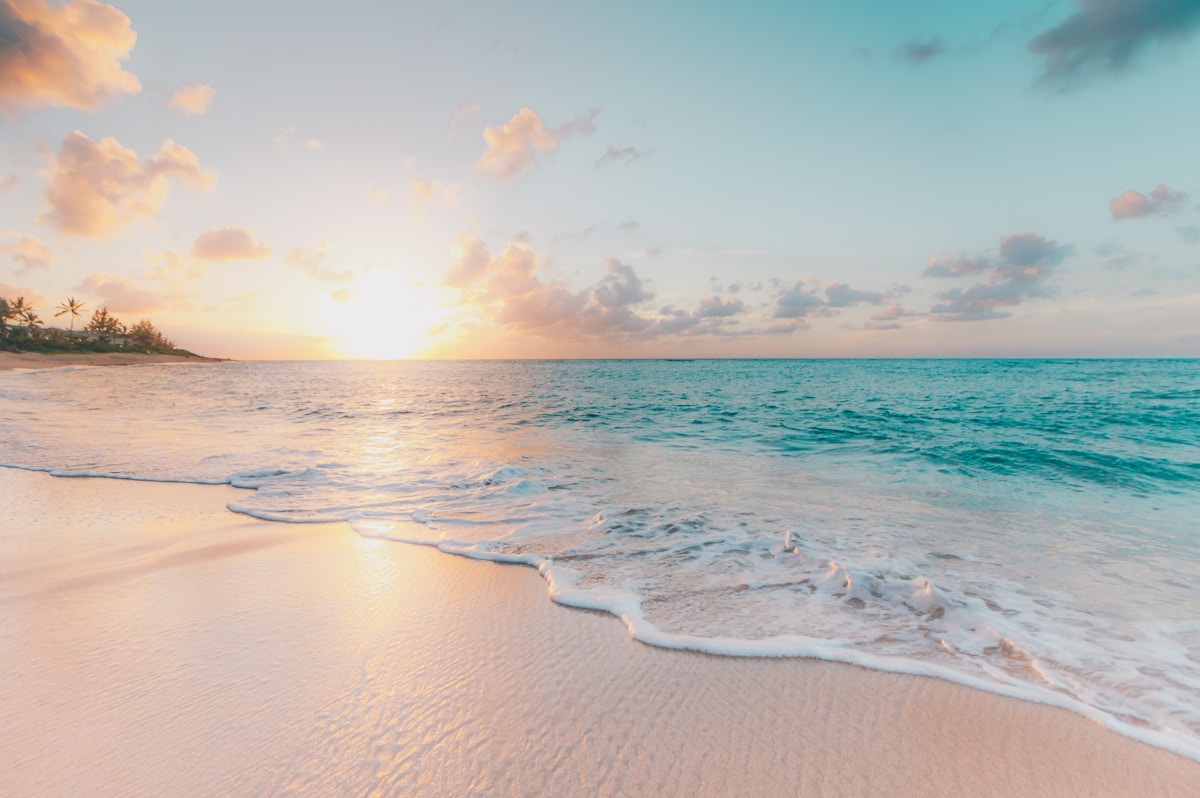
Cyprus has Blue Flag beaches across its coast - the EU certification for water quality, safety, and facilities. Some standouts:
- Fig Tree Bay (Protaras) - consistently rated among the best beaches in Europe. A sheltered bay with impossibly clear water and white sand. Busy in summer but worth it.
- Aphrodite's Rock (Petra tou Romiou) - the mythological birthplace of Aphrodite, goddess of love. A dramatic rocky sea stack rising from the water on a wild stretch of coast between Limassol and Paphos. The beach is pebbly but the scenery is striking.
- Lara Beach - a remote, undeveloped beach northwest of Paphos, accessible by 4WD. One of the most important loggerhead and green turtle nesting beaches in the Mediterranean; no development is permitted.
- Nissi Beach (Ayia Napa) - the famous party beach. White sand, clear water, and by day a very lively atmosphere. The Ayia Napa area has calmer beaches nearby (Makronissos, Konnos Bay) for those who want the setting without the noise.
3. Paphos: UNESCO World Heritage and a Living Ancient City
Paphos, on the southwest coast, is home to the Paphos Archaeological Park - a UNESCO World Heritage Site containing Roman villas with extraordinary floor mosaics depicting scenes from Greek mythology. The mosaics, dated to the 2nd-5th centuries AD, are in remarkable condition and sit essentially outdoors, right by the harbour. The Tombs of the Kings, a vast underground necropolis from the 4th century BC, is just a few kilometres north along the coastal road. Paphos is also the birthplace of Aphrodite and has been an important settlement since the Neolithic period.
4. The Troodos Mountains
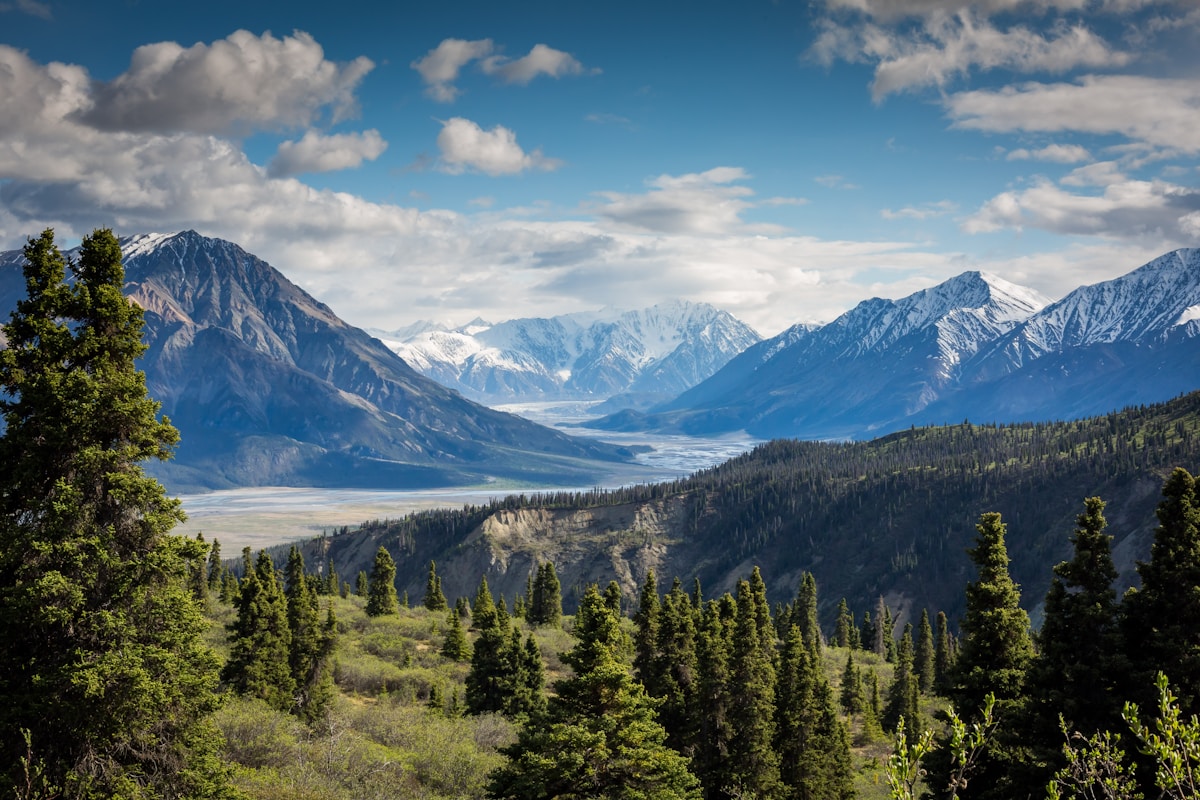
Most people don't realise that Cyprus has a mountain range. The Troodos rises to Mount Olympus at 1,952m, and the villages scattered through the range are some of the most beautiful in Cyprus - stone-built, vine-draped, producing the island's best wine from grapes that have grown on these slopes for millennia. The wine villages of Omodos, Lofou, and Koilani are worth an afternoon each. Kykkos Monastery, one of the wealthiest and most important Orthodox monasteries in Cyprus, is set dramatically in the western Troodos and open to visitors. In winter, the Mount Olympus ski resort has a few small slopes - not for serious skiers, but genuinely fun to say you skied in Cyprus.
5. The Food Is Excellent and Genuinely Its Own Thing
Cypriot food sits at the intersection of Greek, Middle Eastern, and Levantine culinary traditions, with its own distinct character. Meze (a sequence of 15-30 small dishes) is the centrepiece of a proper Cypriot meal - halloumi straight off the grill, kleftiko (slow-cooked lamb that falls off the bone), souvla (large pieces of meat on a long skewer), loukoumades (honey doughnuts), kolokasi (taro root stew), freshly-caught sea bream. Local wines are worth serious attention - the region has ancient indigenous grape varieties like Maratheftiko and Xynisteri that exist nowhere else.
Commandaria - a sweet amber dessert wine made in the Troodos foothills - is the oldest named wine in continuous production in the world, documented since 800 BC.
6. Lefkosia (Nicosia): The Last Divided Capital in the World
Nicosia (Lefkosia in Greek, Lefkoşa in Turkish) has the unparalleled distinction of being the only divided capital city in the world. The UN Buffer Zone - the Green Line - cuts directly through the old city, separating the Republic of Cyprus from the northern Turkish-administered area. Walking through the Ledra Street crossing in the old city into North Nicosia is a genuinely surreal experience: you cross through a checkpoint into a different flag, a different currency, and a completely different atmosphere within the same medieval city walls. The old city on both sides of the divide has excellent restaurants, architecture, and museums. The Cyprus Museum in the south holds the finest collection of Cypriot antiquities anywhere in the world.
7. It's Affordable by Mediterranean Standards
Compared to Greece's islands, the French Riviera, or the Italian coast, Cyprus offers considerably better value. Accommodation, food, and activities are all reasonably priced, especially outside the peak July-August window. A quality seaside meal with local wine won't break the bank; mid-range hotels are genuinely good; rental cars are cheap and essential for getting beyond the resort zones.
8. It's Safe, English-Speaking, and Easy to Navigate
Cyprus has one of the lowest crime rates in Europe. English is widely spoken - a legacy of British colonial rule (the island was a British Crown Colony until 1960, and two British Sovereign Base Areas still exist on the island). Driving is on the left (another British legacy). The road network is good and the island is small enough that you can drive coast-to-coast in under 90 minutes. EU citizens need no entry documentation; most others are visa-free for up to 90 days.
9. The History Goes Deeper Than Almost Anywhere in Europe
Cyprus has been inhabited since at least 10,000 BC. It was the major source of copper for the ancient world - the word "copper" derives from Kypros, the Greek name of the island. It was ruled by the Mycenaean Greeks, Assyrians, Egyptians, Persians, Alexander the Great, the Ptolemaic Egyptians, the Romans (Antony gave it to Cleopatra), the Byzantines, the Crusaders (Richard the Lionheart captured it in 1191 on his way to the Holy Land), the Lusignan French Crusader dynasty, the Venetians, the Ottomans, and finally the British. Every layer left something behind, and you can see most of it with very little effort. The sheer density of castles, churches, mosaics, tombs, and ruins per square kilometre is unusual even by the standards of the Mediterranean.
Getting There and Getting Around
Larnaca International Airport (LCA) is the main hub, with direct flights from most European cities, the Middle East, and connections beyond. Paphos Airport (PFO) on the west coast serves additional charter and scheduled routes. A rental car is by far the best way to explore - public transport between cities is limited and infrequent. The island is small enough to be based in one place and drive everywhere else.
Cyprus does not have an identity crisis - it has multiple identities, and they co-exist in a small space. Beach resort, ancient ruin, mountain village, divided capital, wine country. If you haven't been, you've been missing one of the Mediterranean's most layered destinations.