Results for “Europe”
Articles
20 articles

Will you need Health Insurance When Visiting the US from Europe?
Are you planning a trip to the United States from Europe? Now that you have organized your flights and hotels and mapped out your itinerary, it's time to think about health insurance. It's one of the most important things travelers overlook, and skip...
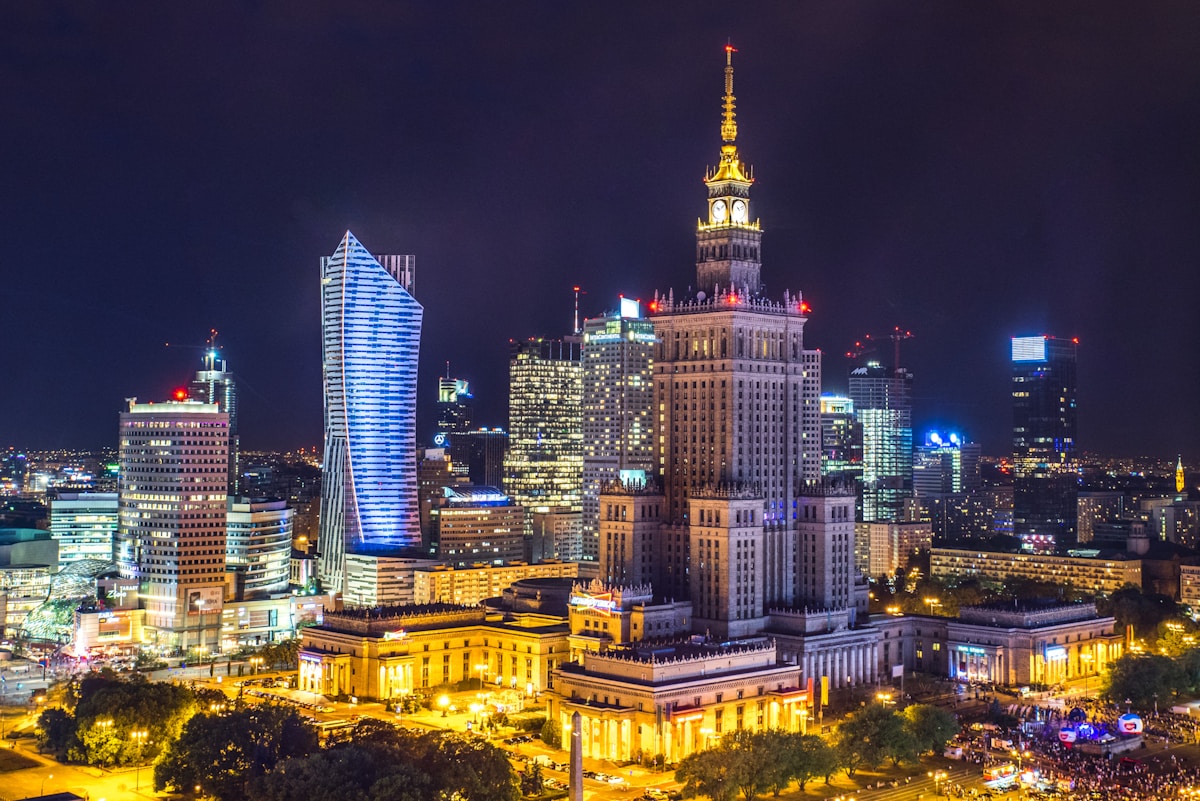
Poland's Economy is Growing Faster Than Almost Anyone in Europe - Here's Why
There is a statistic that stops people cold when they first hear it. Since 1990, Poland has grown its GDP by over 900 percent in real terms. No other country in Europe comes close. Germany grew by roughly 90 percent in the same period. France by ...

What Does 'Poor' Mean in Luxembourg? Wealth, Inequality, and the Reality of Europe's Richest Country
Luxembourg has the highest GDP per capita of any European Union member state - approximately €125,000–140,000 per capita, roughly four times the EU average and about twice Germany or France. It is a country of 680,000 people on 2,586 km² (slightly ...

Doing Business in Slovenia: Why This Small EU Country Is One of Europe's Best-Kept Investment Secrets
Slovenia is a country of 2.1 million people at the crossroads of Central Europe — bordered by Austria, Italy, Croatia, and Hungary. It joined the EU in 2004, adopted the euro in 2007, and has since developed one of the most stable, transparent, and b...

Moldova's Wine Country: Why Eastern Europe's Smallest Nation Has the World's Biggest Cellars
Moldova is a landlocked country tucked between Romania and Ukraine, rarely mentioned in travel conversations and frequently confused with other Eastern European countries. It also holds the world record for the largest wine cellar, hosts one of Eur...

Hamburg: A European Port City
Hamburg is Germany's second largest city and, by historical wealth, arguably its most important. It is a city-state , one of three in Germany (alongside Berlin and Bremen), meaning that Hamburg city and Hamburg state are the same political entity.

Why Europeans and Americans Keep Going Back to the Philippines
The question isn't why people visit the Philippines. The question is why so many Europeans and Americans visit once and keep coming back. 1. No Language Barrier The Philippines has two official languages: Filipino (Tagalog) and English. English h...

Which countries are actually European?
Where Does Europe Actually End? Is Iceland in Europe? What about the United Kingdom? Greece? Romania? Turkey? Georgia? Cyprus? And where, exactly, does Europe stop being Europe and become Asia? For travelers, Europe can seem like one of the easie...

Hungary Travel Guide: Hot Springs, Ruin Bars, Paprika, and the Most Underrated Capital in Europe
Explore Budapest and beyond with our Hungary travel guide. From relaxing thermal hot springs and ruin bars to historic sights...

Andorra's Population: Who Actually Lives in Europe's High Mountain Micro-State?
Andorra may receive 8 million visitors per year, but the people who actually live there year-round number only around 77,000 — making it one of Europe's least populous sovereign states. The story of who lives in Andorra, how they got there, and what ...

Armenia: The Oldest Christian Country in the World Is Also One of the Most Underrated in Europe
Armenia adopted Christianity as its state religion in 301 AD — over a decade before the Roman Empire. That fact is a useful introduction to what kind of country this is: ancient in a way that isn't metaphorical, shaped by history with a weight that's...

The Oldest Historic Place in Greece: The Palace of Knossos, Crete
If you want to stand somewhere ancient, and not just old, but the birth of civilization old then the Palace of Knossos on Crete is going to be it. The palace you see today was built around 1700 BC, and rebuilt after an earthquake destroyed an even ea...

Estonia: 7 Things That Might Surprise You
Estonia is easy to overlook since it is a small, northern Baltic country, tucked between Latvia and the Gulf of Finland. Estonia is, however, a destination that has something for everyone. It's a wonderful mix of history, nature, and modern convenien...

San Marino: Where Is It, Why It Exists, and Why You Should Visit
Not too far inland from the Adriatic coast, you will find a small mountain with a tiny country on top of it. San Marino, officially called the Most Serene Republic of San Marino. It has a land area of 23.6 square miles or 61 square kilometers (smalle...

Romania Health Guide for Travelers: What You Need to Know Before You Go
Romania is a great destination, from Transylvania's forested mountains, the monasteries of Bucovina, to the Danube Delta, but like any destination, it comes with health considerations worth understanding. Is Romania Safe to Visit (Health-Wise)? Y...

Dracula Was Real: Why Romania's Vampire Legend Draws Millions of Tourists Each Year
Romania has built an entire tourism industry around a myth that was invented in London, based loosely on a 15th-century warlord who almost certainly never left Transylvania. The stranger truth is that the reality behind the legend – the landscape, th...

Monaco Without a Superyacht: How to Experience the World's Most Expensive Country for Free
Monaco is 2.02 square kilometers - roughly the size of New York's Central Park - and contains the highest concentration of millionaires per capita on Earth. The average apartment price is €48,000/m². A standard main course at the Hôtel de Paris c...

Is Croatia Actually Cheap? The Honest Budget Breakdown
A decade ago, Croatia was the Adriatic bargain: all the beauty of Dubrovnik at Balkan prices. Since EU accession and the adoption of the euro in January 2023, that era is over – but the story is more nuanced than the headlines suggest. Croatia is not...

Is Paris Safe for LGBTQ+ Travelers? A Complete Guide for 2026
Paris has been a sanctuary for LGBTQ+ people for well over a century starting from the bohemian artistic circles of Montparnasse in the 1920s to the clubs of the Marais today. In 2026, Paris ranks among the most LGBTQ+ friendly major cities in the wo...

Safety in Poland: What Every Traveler Should Know
Poland is a safe country for travelers going to Poland. Its crime rate is low by European standards, violent crime against tourists is limited, and the country's hospitality tradition means foreigners are generally treated well. Overall Safety Lev...
Quick Facts
 Did You Know
Istanbul Sits on Two Continents
Did you know Istanbul is the only major city that straddles two continents? The Bosphorus …
Istanbul, Turkey Culture
New Orleans Invented Jazz
Did you know jazz was born in New Orleans? In the early 1900s, the city's mix of African, …
New Orleans, Louisiana History
Lisbon Is Older Than Rome
Did you know Lisbon is one of the oldest cities in Western Europe — older than Rome? Phoen…
LisbonAlso mentions “Europe”
Articles where “Europe” appears but isn’t the main topic.

The Oldest Cemetery in the United States

Randers, Denmark
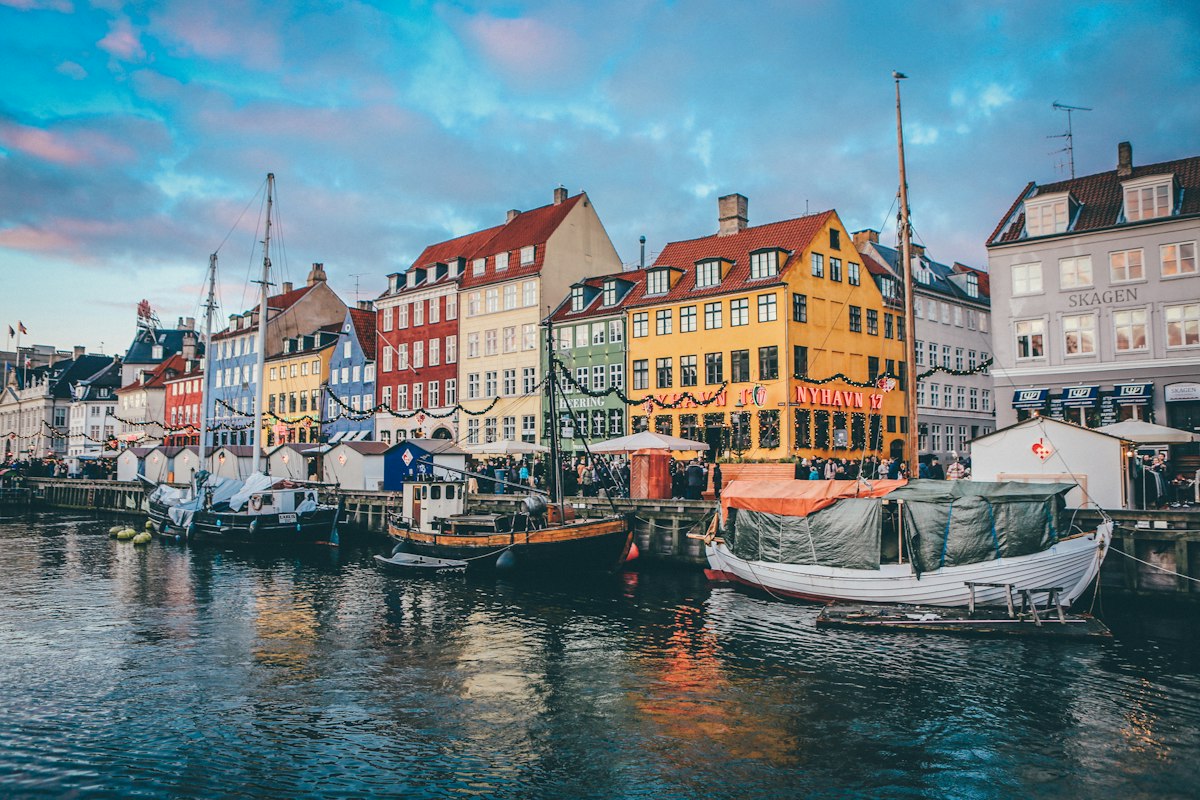
The History of the Danish Language: From Old Norse to Modern Dansk

"La Cuna del Fútbol" (The Cradle of Football)

What is Esperanto?

Is Uganda Good for Tourists? Honestly, Yes — Here's What to Expect

Everyone Loves Americans — They Just Can't Stand Our Government: How the World Really Sees Us

Chile Travel Guide: Best Time to Visit, What Things Cost, and What to Eat
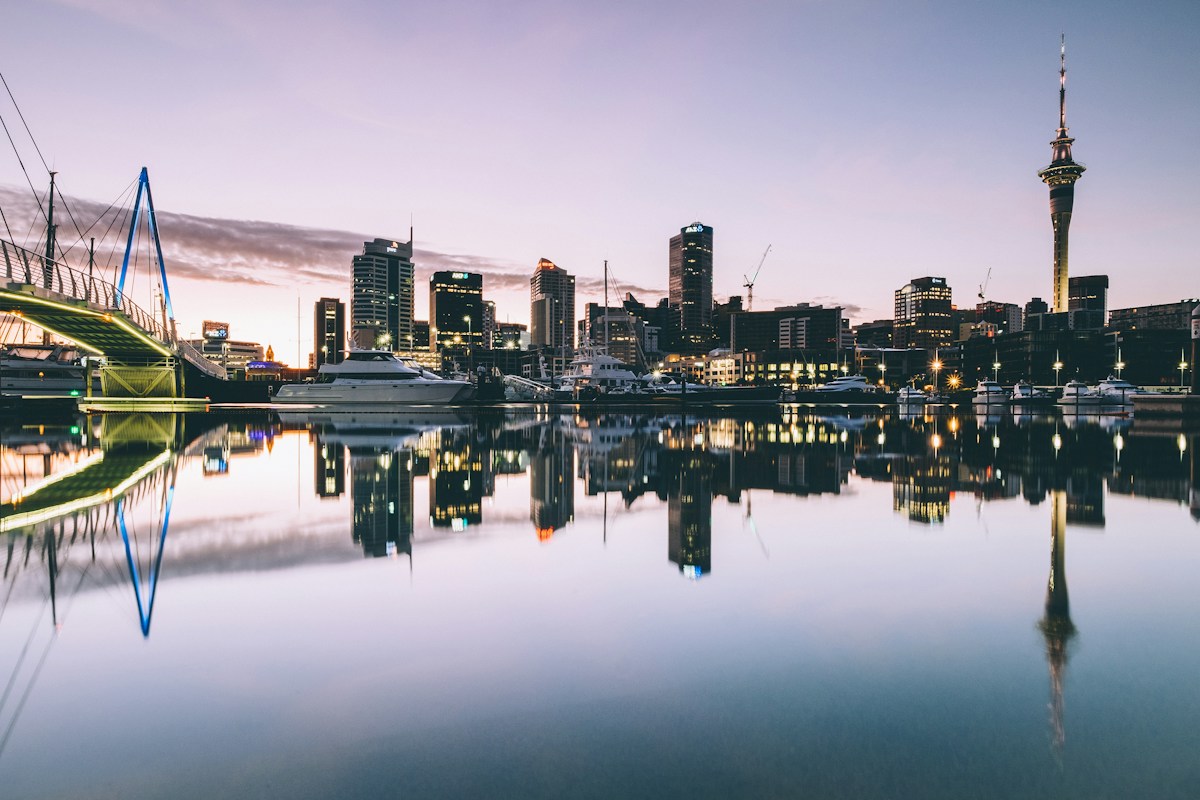
New Zealand's Most Successful Businesses and Industries — and Why They Work

Mauritius: The Island That Does Everything Quietly and Brilliantly

Cyprus: 9 Reasons You Should Actually Go

Where Is the Biggest Library in the World? (And Can You Visit It?)

Canada Travel Guide: The World's Second Largest Country and What Most People Get Completely Wrong About It

Is Lebanon Safe to Travel in 2026?