Sri Lanka is often mentioned in the same breath as Thailand and Vietnam as one of Southeast Asia's (technically South Asia's) great budget destinations. And it is genuinely affordable — for accommodation, food, local transport, and attractions, you can live well in Sri Lanka for a fraction of what it costs in Western Europe or Australia. But the country went through a severe economic crisis in 2022, cost structures have shifted, and some things that were very cheap are now merely cheap. Here's the honest picture.
Accommodation: Still Excellent Value


Sri Lanka's guesthouse scene is one of the best in South Asia. Family-run guesthouses — often colonial-era bungalows with gardens, home-cooked breakfasts, and owners who treat guests like relatives — are consistently good value:
- Budget: $10–20/night for a clean private room with fan in a guesthouse. This is easily achievable across most of the country outside peak season.
- Mid-range: $30–80/night gets you something genuinely lovely — boutique properties in converted tea estate bungalows, sea-view rooms in Mirissa, treehouse-style accommodation in the Hill Country.
- Luxury: Sri Lanka has extraordinary high-end options — Uga Bay, Amanwella, Cape Weligama — at price points significantly below comparable Indian Ocean luxury. $250–500/night for truly exceptional properties.
Food: Absurdly Cheap If You Eat Local


Sri Lankan food is one of the great underpromoted cuisines of Asia and it's extremely inexpensive:
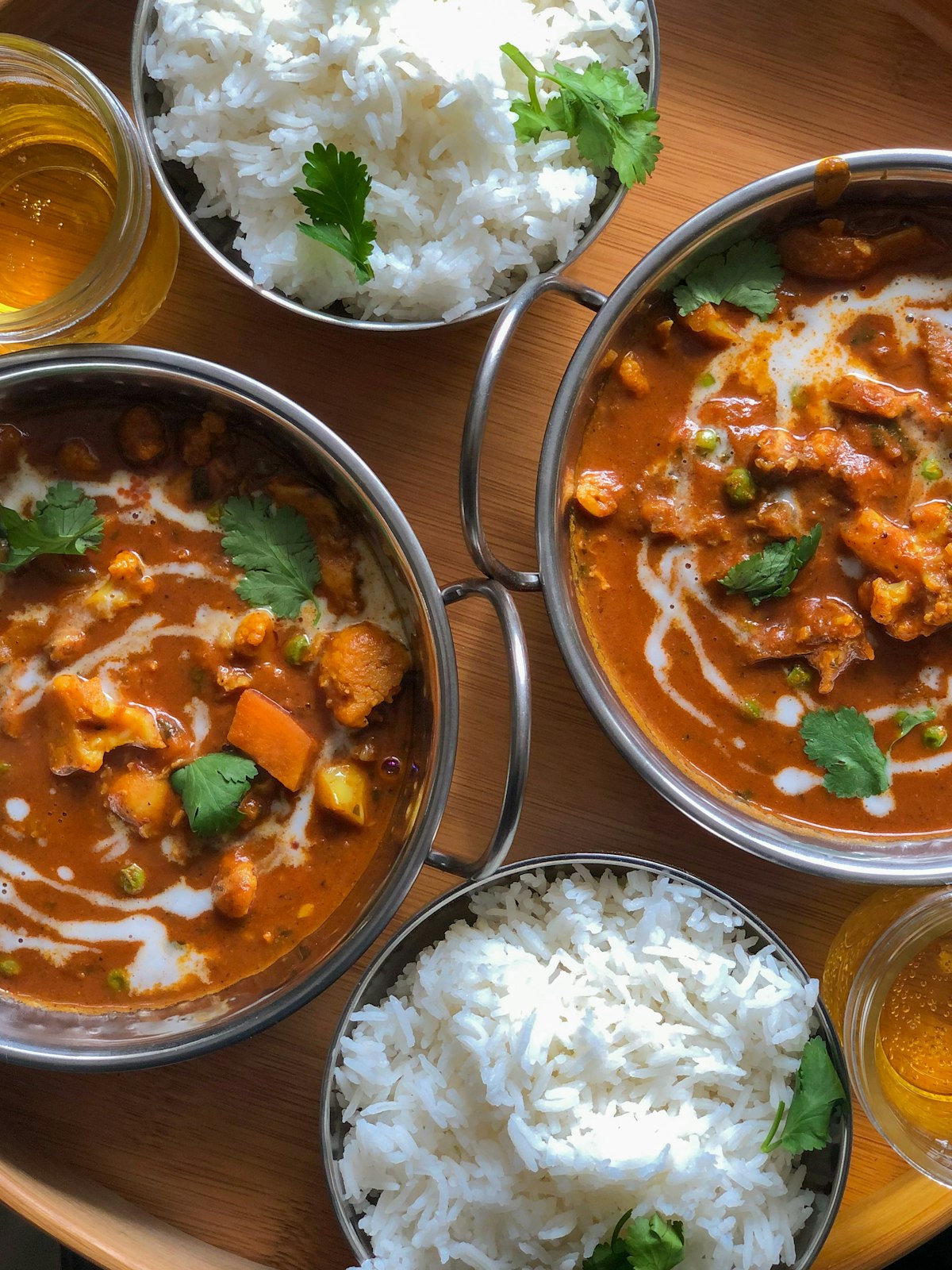
- Rice and curry (the national meal — a plate of rice surrounded by multiple curries, sambol, and papad): $1–3 at a local restaurant
- Kottu roti (chopped flatbread stir-fried with vegetables and egg or meat — the national street food): $1.50–3
- Hoppers (bowl-shaped fermented rice flour crepes, served with egg or coconut milk): $0.50–1 each
- Fresh coconut water from a roadside stand: $0.50–1
Tourist-facing restaurants are more expensive but still reasonable: $6–12 for a full meal. Seafood at beach restaurants (grilled crab, seer fish, prawn curry) is $10–20 per plate and worth every dollar.
Transport: Mixed


Trains are the cheapest and most scenic way to move: the hill country train from Kandy to Ella is one of the most beautiful rail journeys in Asia and costs a few dollars in second class. Book ahead — demand is high.
Tuk-tuks for short distances: $0.50–3 depending on distance and negotiation skill. Always establish the price first.
Hired cars with drivers: for day trips or longer routes, $40–80/day for a driver-guide is excellent value and the most practical way to cover the country's highlights efficiently.
Entry fees are where costs add up. The Cultural Triangle — Sigiriya, Polonnaruwa, Dambulla — charges foreigners $30–37 per site. A week of serious sightseeing can add $150–200 in entry fees alone.
What a Daily Budget Actually Looks Like
- Budget traveler: $40–60/day (guesthouse, local food, train/tuk-tuk, some entry fees)
- Mid-range: $80–150/day (decent accommodation, restaurant meals, hired car for day trips)
- Comfortable: $200–350/day (boutique hotels, all meals, guided tour, no cutting corners)
The 2022 Context
Sri Lanka's 2022 economic crisis — triggered by foreign currency shortages, fuel scarcity, and government debt — caused genuine hardship for Sri Lankans. Tourism collapsed, then rebounded. Prices in the tourist sector rose noticeably post-crisis but are still lower than comparable Asian destinations. The political situation has stabilized under a reformist government, though economic recovery is ongoing. The country is fully open to tourists and the infrastructure for travelers is functioning normally.
The Intangible Value
Sri Lanka gives you a lot for what you spend: beaches in the south and east, ancient temples at Sigiriya and Polonnaruwa, leopards at Yala National Park (one of the best places in the world to see them), whale watching at Mirissa, tea estates in the highlands, and a food culture that makes every meal interesting. The combination of natural beauty, history, and cost makes it one of the best-value travel destinations in the world perimeter of Asia. Go before the secret becomes any more widely known.
