More Americans visit the Dominican Republic than any other Caribbean island — millions per year, most of them landing at Punta Cana International Airport, getting on a shuttle, and spending their entire trip inside a Barceló or Hard Rock all-inclusive. That's a valid vacation. But the Dominican Republic is a country with a capital city older than any European settlement in the Americas, a mountain interior that looks like Switzerland, and a cultural life that most resort guests never see. Here's what you're actually choosing between.

The All-Inclusive Reality (And Why It Works)
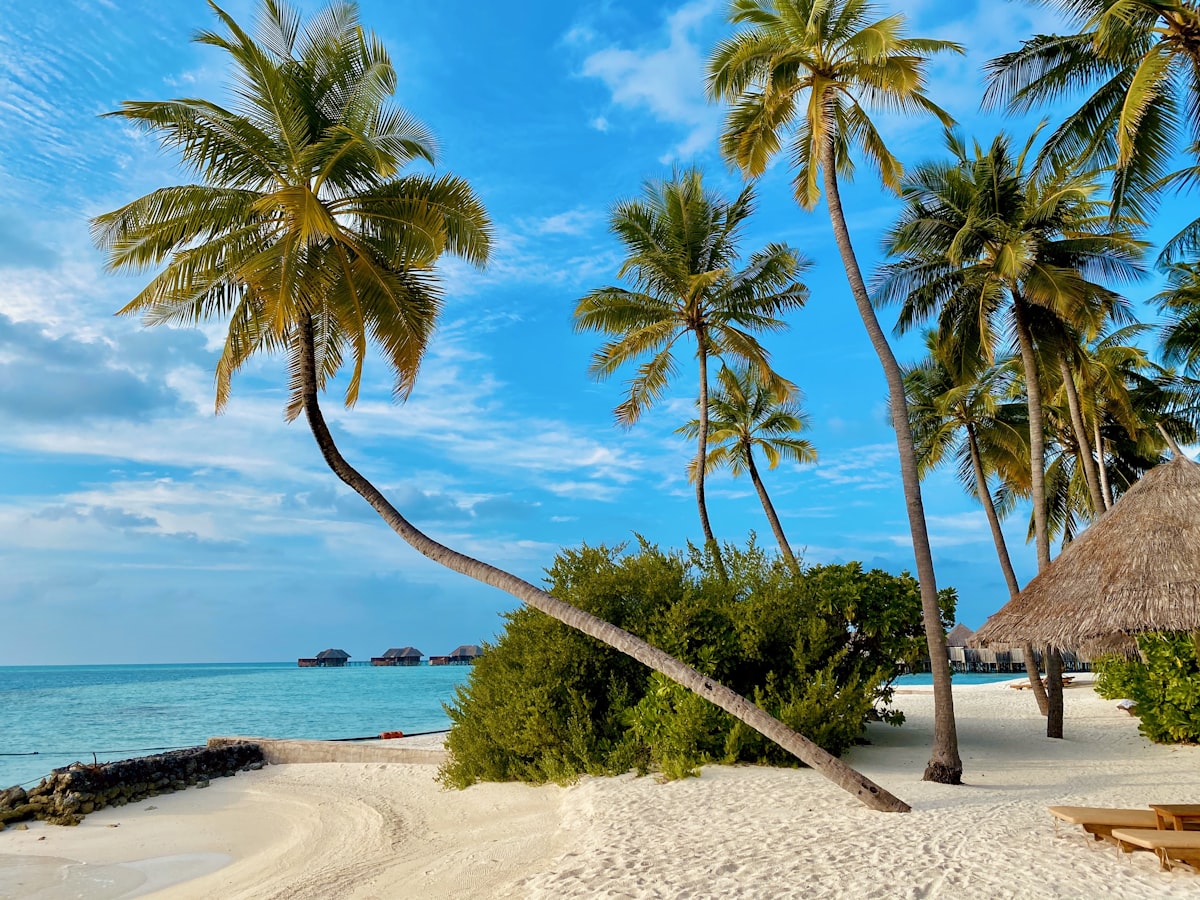
Let's be honest: the Punta Cana all-inclusive model succeeds because it delivers reliably. White sand, turquoise water, unlimited food and drinks, swim-up bars, evening shows, and zero logistical decisions. For families with young children, couples on honeymoon, or anyone who simply wants to decompress near a beach without thinking, it's a fair proposition.
The best all-inclusive resorts in the DR — Excellence Playa Mujeres, Tortuga Bay (Oscar de la Renta's boutique hotel at Casa de Campo), Sublime Samaná — offer genuine luxury. The mid-tier products are more variable. Always read recent reviews for the specific property, not the chain brand.
Santo Domingo: The Oldest City in the Americas
The capital, Santo Domingo, was founded in 1498 — making it the oldest continuously inhabited European settlement in the Western Hemisphere. The Colonial Zone (Zona Colonial) is a UNESCO World Heritage Site of cobblestone streets, 16th-century Spanish buildings, the first cathedral in the Americas (Catedral Primada de América, completed 1541), and the first university and first hospital in the New World. Walking it is like moving through the moment European civilization first arrived in the Americas.
Santo Domingo is also a living city — not a museum. The Malecón seafront boulevard stretches for kilometers. Merengue and bachata blare from corner stores. The restaurant scene on Calle El Conde and in Gazcue neighborhood is excellent: fresh seafood, roasted pork, mashed plantain (mangú) with fried cheese and salami for breakfast.
Samaná Peninsula: The DR That Feels Nothing Like Punta Cana
In the northeast, the Samaná Peninsula is a completely different world from the resort coast. Steep green hills, tiny fishing villages, waterfalls you reach by horseback or on foot. From January to March, humpback whales migrate to Samaná Bay to breed — the whale-watching is among the best in the Atlantic. El Limón Waterfall in the interior is a 45-meter cascade accessible by a 45-minute horseback ride through jungle.
Safety: The Honest Version
The DR has crime, and American tourists should take standard precautions. In resort areas, you're largely insulated — crime targeting tourists in the resort zones is rare. In Santo Domingo, the Colonial Zone and tourist-facing neighborhoods are generally safe; wandering into unfamiliar areas after dark is not advisable. Use licensed taxis or Uber. Don't flash expensive equipment. The State Department's travel advisory for the DR is "Exercise Increased Caution" — not a high alert, but not ignore-it-either.
The tap water is not safe to drink. Use bottled or filtered water even in high-end hotels.
The Culture Americans Miss
The DR gave the world merengue and bachata — two of the most influential musical forms in the Americas. Bachata, once dismissed as music of the poor and rural, is now played in clubs from Madrid to Tokyo. If you're in the country and don't hear live music at least once, you've missed the point. Baseball is a national obsession (the DR has produced more MLB players per capita than any country on earth). Dominicans are warm, loud, and deeply proud of their country — engage with that pride and they'll show you things you wouldn't find in any guidebook.