Switzerland has 26 cantons, and most international tourists visit a handful: Geneva, Zürich, Lucerne, the Bernese Oberland, Zermatt and the Matterhorn. Uri — the small, largely German-speaking canton at the center of the country, around the southern end of Lake Lucerne — is where almost none of them go, despite being the place where Switzerland, in some meaningful sense, began.

The Founding Myth: William Tell and the Rütli Meadow
The story of William Tell — the Swiss crossbowman who refused to bow to the Habsburg bailiff Gessler's hat, was forced to shoot an apple from his son's head as punishment, killed Gessler when given the chance, and became the symbol of Swiss freedom — is set in Uri. Whether Tell was historical or legendary is debated; the story first appeared in the late 15th century, and most historians consider it mythological. What's less debated: the story captures something real about Uri's role.
In 1291, the communities of Uri, Schwyz, and Unterwalden signed the Federal Charter — a mutual defense agreement often cited as the founding document of the Swiss Confederation. The ruins of Alt Küssnacht on Lake Lucerne and the Rütli Meadow — the lakeside clearing where the oath was supposedly sworn — are in this region. Every Swiss August 1st national holiday is celebrated around the Rütli; the President of the Confederation traditionally gives a speech there each year.
Altdorf: The Town at the Center of the Myth
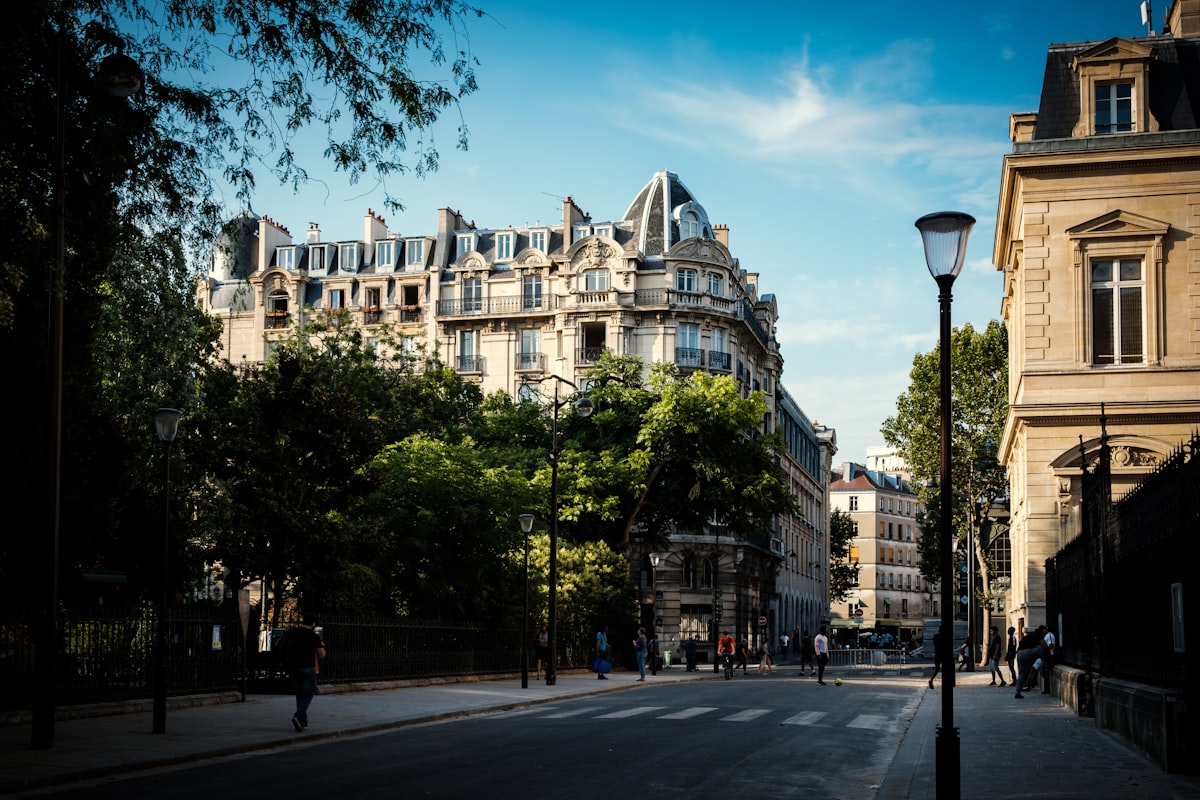
Altdorf, Uri's capital, has a population of under 10,000 and feels like a large village. In its main square stands a statue of William Tell and his son — rifle raised, apple nowhere in sight — a monument to the canton's mythological founding hero. The Tell Museum documents the Tell legend across 500 years of art, theater, and political use (Friedrich Schiller's Wilhelm Tell, Rossini's opera, and the way the myth was weaponized by various nationalist movements across centuries).
Altdorf is the last town before the Alps close in seriously. Traffic heading south disappears into the St. Gotthard Tunnel (26.5 km — one of the longest highway tunnels in the world) or climbs over the St. Gotthard Pass on the old road.
The St. Gotthard: The Spine of Europe
The St. Gotthard Pass (2,106 m) is one of the most important mountain passes in European history. For centuries, it was the main route between Northern Europe and Italy — the Alps' most navigable crossing point — and the trade and military traffic that passed through it funded much of Uri's medieval prosperity. Today, the pass is closed in winter but drivable in summer; the road down the Italian side in a series of tight switchbacks past stone milestones is one of the finest Alpine drives in Europe.
The St. Gotthard Railway, opened in 1882, was one of the great engineering achievements of 19th-century Europe — an 87-km line with a 15-km summit tunnel through the Alps that connected Zürich and Milan and transformed freight flows across the continent. The new Gotthard Base Tunnel (57 km — the world's longest railway tunnel), opened in 2016, runs directly underneath and carries high-speed rail at lower elevation.
Andermatt: The Alpine Town Reinventing Itself
High in the Uri Alps, Andermatt was for decades a fading garrison town — the Swiss Army's central alpine base, with barracks but little economic life otherwise. In the 2010s, Egyptian billionaire Samih Sawiris (founder of Orascom) invested over $1 billion in the Andermatt Swiss Alps development: a luxury hotel complex (the Chedi Andermatt is now one of Switzerland's finest hotels), a year-round ski area, golf courses, and village-scale residences.
The transformation is controversial among purists but undeniably effective: Andermatt now has world-class skiing (connected to Sedrun, with 180 km of runs), a legitimate fine dining scene, and some of the most dramatic mountain scenery in Switzerland — the Furka Pass (where the James Bond Goldfinger glacier chase was filmed) is visible from town.
The Reuss Valley and Schöllenen Gorge
Driving south from Altdorf toward Andermatt, the road follows the Reuss River through the Schöllenen Gorge — a narrow corridor carved through vertical rock faces where the river crashes through a slot canyon. The Devil's Bridge (Teufelsbrücke) at Göschenen is a medieval stone arch over the gorge — legend says the Uri people made a pact with the devil to build it. Nearby, a bas-relief of a Russian soldier's head marks the spot where General Suvorov led his Russian Army over the Alps in 1799 during the Napoleonic Wars — one of the most improbable military operations in Swiss territory.
Getting There
Altdorf is 35 minutes by train from Lucerne (change at Flüelen). The Glacier Express scenic train route passes through Andermatt. A car opens up the pass roads (summer only for the high passes). Uri rewards slow travel — the kind where you stop because the gorge is extraordinary, not because the GPS told you to.