Results for “Caribbean”
Articles
16 articles

Saint Kitts and Nevis: Why You've Never Heard of This Caribbean Country (And Why That Changes Everything)
Saint Kitts and Nevis is a two-island federation in the Leeward Islands of the Caribbean — Saint Kitts (176 km²) and Nevis (93 km²) — with a combined population of approximately 55,000 people. It is the smallest sovereign state in the Western Hemisph...
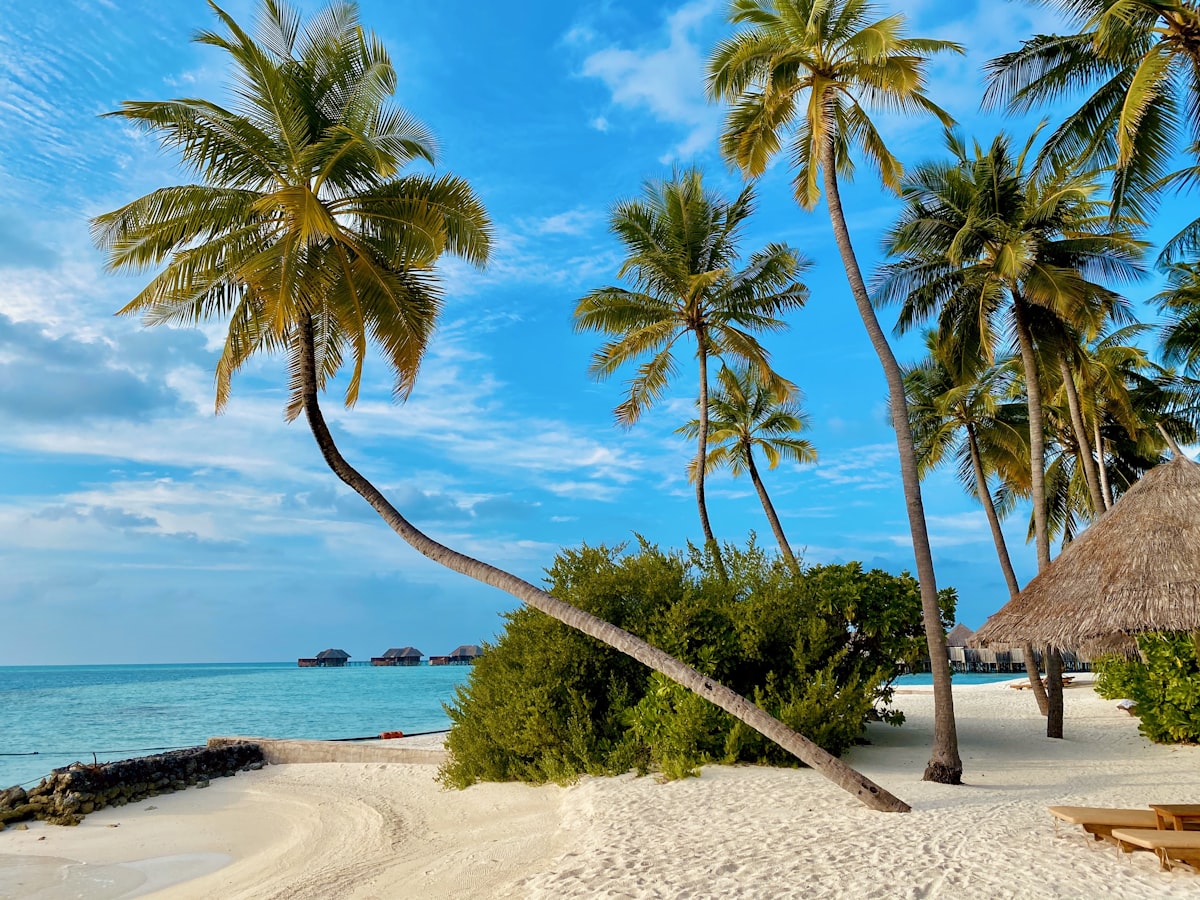
Dominica: The Caribbean Island That Refused to Be Ruined by Tourism
Dominica (not to be confused with the Dominican Republic) has made a deliberate bet against mass tourism: it has no large resorts, no cruise-ship promenade, and no pumped-up party beach. What it has instead is a volcanic island so geologically active...

Saint Vincent and the Grenadines: Everything You Need to Know About the Caribbean's Hidden Sailing Paradise
Saint Vincent and the Grenadines — SVG to those who visit regularly — is the kind of place that competes for very little mainstream attention and is quietly delighted about it. While the northern Caribbean buzzes with cruise ship terminals and resort...
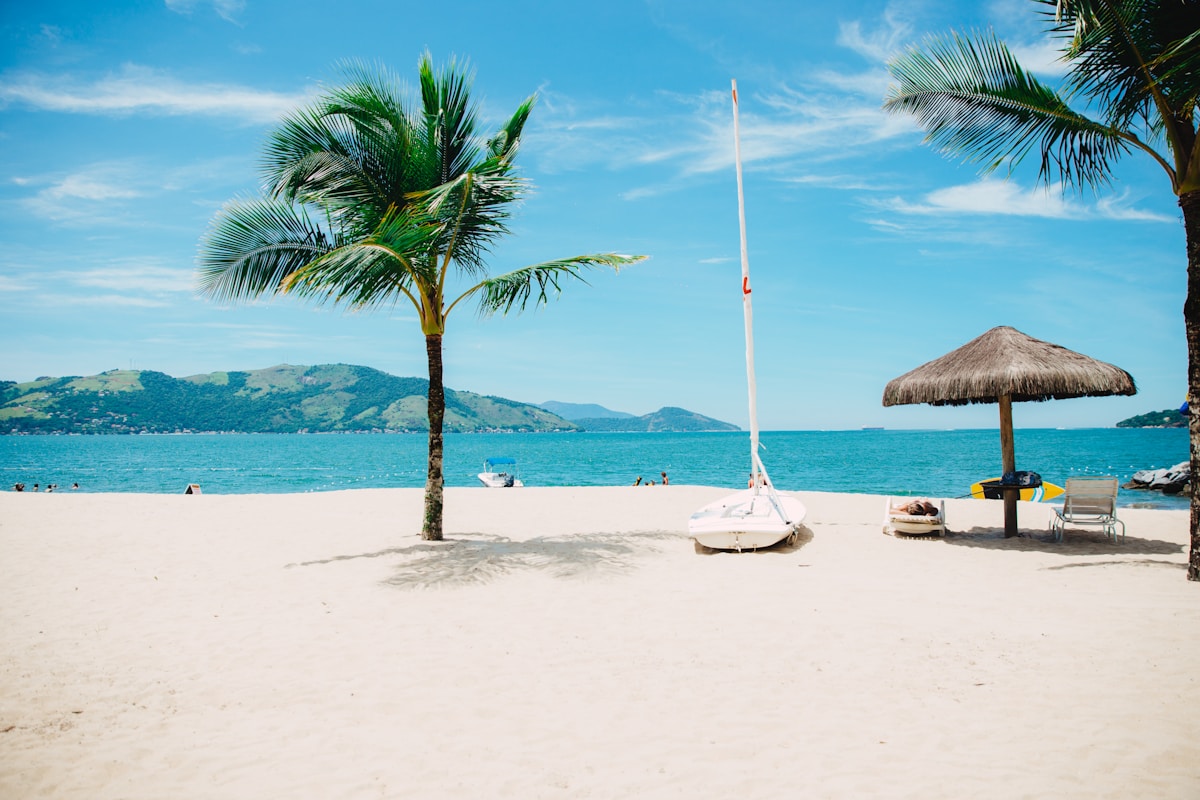
Antigua and Barbuda: What Is Actually There (And Why It's Worth Going)
Antigua and Barbuda is a two-island nation in the Eastern Caribbean, sitting between the Atlantic Ocean and the Caribbean Sea. It's small — Antigua is about 108 square miles, Barbuda about 62 — but within that size it packs more variety than many...

Is Grenada Safe? The Real Crime Statistics and What Travelers Actually Experience
Grenada – a three-island nation (Grenada, Carriacou, and Petite Martinique) in the southeastern Caribbean – is consistently cited as one of the safest destinations in the region for tourists. The nuanced answer is: safer than most, not without risk, ...

Jamaica Beyond the Beach: Reggae History, Rum Bars, and the Real Island Culture
Jamaica is the most musically significant small island in the world. From a landmass smaller than Connecticut, it produced reggae, ska, rocksteady, dancehall, and dub – genres that reshaped global popular music across five decades. Most visitors spen...

Trinidad and Tobago: Two Islands, One Nation, Infinite Character
Trinidad and Tobago sits at the southernmost end of the Caribbean island chain, just 11 kilometers from the Venezuelan coast. It is a constitutional republic, has been independent since 1962, and is one of the wealthiest nations in the Caribbean,...
The Dominican Republic for American Tourists: What Nobody Tells You Before You Go
More Americans visit the Dominican Republic than any other Caribbean island — millions per year, most of them landing at Punta Cana International Airport, getting on a shuttle, and spending their entire trip inside a Barceló or Hard Rock all-inclusiv...

Should You Rent a Car in Puerto Rico? An Honest Guide
The question of whether to rent a car in Puerto Rico is genuinely context-dependent. Get the answer wrong and you'll either miss most of the island or spend your San Juan days frustrated by traffic and parking. Here's the honest breakdown. Rent ...
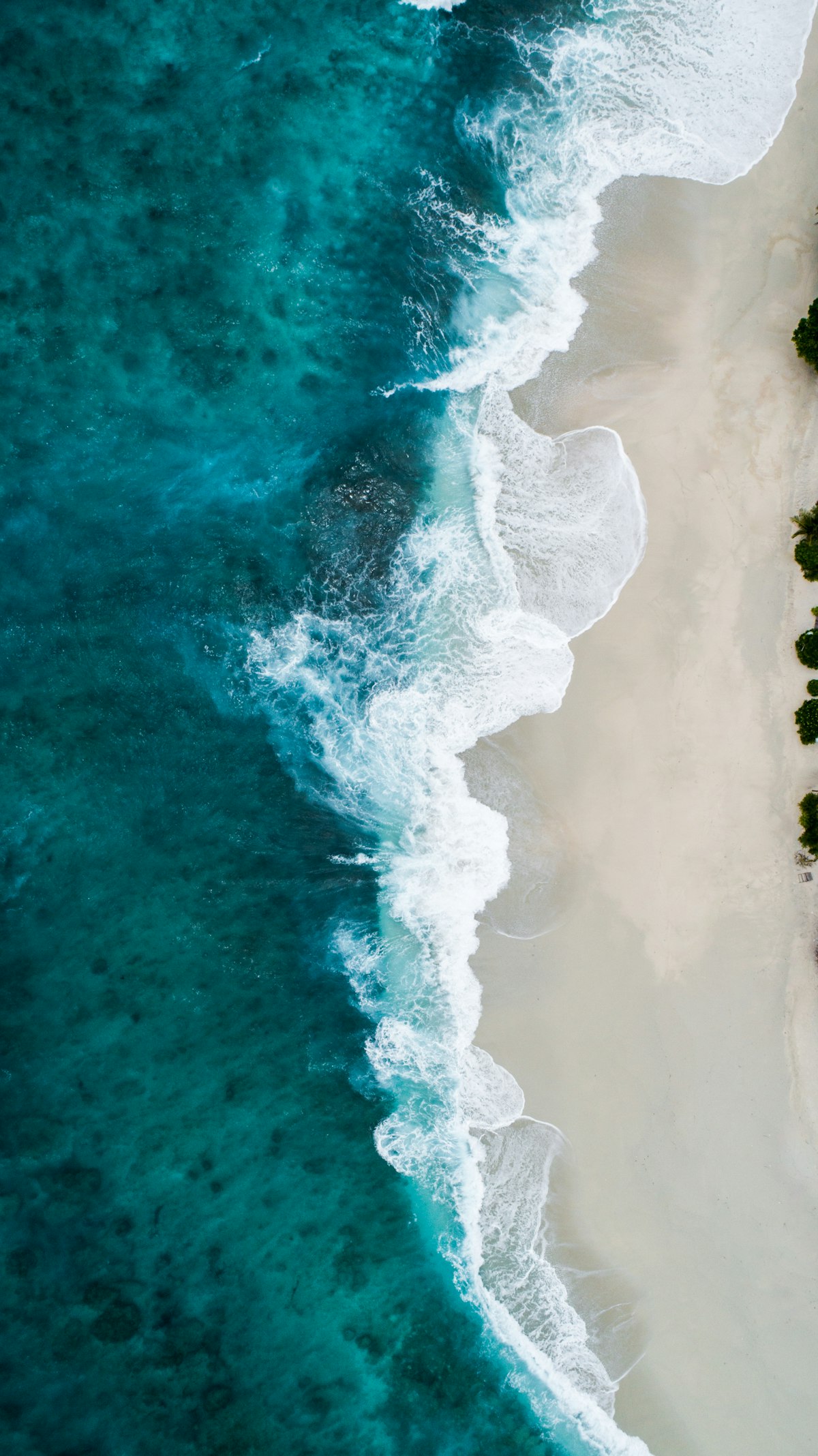
Is the Ocean Dangerous in Puerto Rico? What Swimmers Need to Know
The short answer: it depends entirely on which coast and which beach you're on. Puerto Rico's geography creates dramatically different ocean conditions on its various coasts, and the island has a meaningful number of drowning incidents every year — m...

Best Gay Bars in Puerto Rico: Top 10 Spots
San Juan's gay bar scene has evolved significantly over the years, shifting its center of gravity away from Condado and into Santurce, specifically along Calle Condado and Avenida Manuel Fernández Juncos. While Condado, particularly around Calle Vend...

LGBT Puerto Rico: How Safe and Welcoming Is the Island?
Puerto Rico earns its reputation as the most LGBT-friendly destination in the Caribbean. As a US territory, it carries the full weight of federal anti-discrimination law and the landmark Obergefell v. Hodges (2015) Supreme Court ruling legalising sam...

Why Visit Puerto Rico? 10 Reasons to Go Right Now
Puerto Rico sits in a unique position among Caribbean destinations: it offers the richness of Latin Caribbean culture — the food, the music, the Spanish architecture, the warmth of the people — wrapped in the practical ease of a US territory. No pass...

How to Rent a Bike in Puerto Rico
Puerto Rico is more bikeable than many visitors expect — particularly along the coast and in the calmer streets of Old San Juan. Dedicated bike paths exist in several areas, and the island's compact geography means cycling can genuinely replace a car...

Gyms and Fitness in Puerto Rico: Where Locals Work Out
Puerto Rico takes fitness seriously. The island has a strong gym culture, a passionate CrossFit community, and the kind of outdoor training environment — ocean swims, beachside runs, year-round warmth — that makes staying active feel like a pleasure ...

San Juan, Puerto Rico: The Complete City Guide
San Juan is Puerto Rico's capital and its beating heart — a city where 500-year-old Spanish fortresses tower over turquoise water, streets painted in pastel blues and yellows wind between rum bars and coffee shops, and the Atlantic crashes against th...
Quick Facts
 Did You Know
Watch the Sun Rise on the Pacific, Set on the Atlantic
Did you know that in Panama you can watch the sun rise over the Pacific and set over the A…
Panama Culture
New Orleans Invented Jazz
Did you know jazz was born in New Orleans? In the early 1900s, the city's mix of African, …
New Orleans, LouisianaAlso mentions “Caribbean”
Articles where “Caribbean” appears but isn’t the main topic.

Guam: America's Tropical Secret in the Pacific — Who Lives There, What's Going On, and Why You Should Visit

South America Shopping Guide: What to Buy in Brazil, Colombia, and Peru

Puerto Rico's Jungle: El Yunque, and Are There Venomous Snakes or Spiders?

3 Countries Where You Can Get Citizenship Relatively Quickly

Honduras Travel Guide 2026: What You Actually Need to Know Before You Go

What Is El Salvador Best Known For? A Traveler's Introduction

Is It Hard to See Sloths in Panama When You Travel?

5 Things You MUST Know Before Coming to Puerto Rico

Grocery Shopping in Puerto Rico: Costco, Walmart, and Local Markets

Best Nightclubs in Puerto Rico: The Complete Guide
LGBT Spaces and Events Beyond Gay Bars in Puerto Rico

Must-Try Foods in Puerto Rico: What to Eat Before You Leave

10 Places You Must See in Puerto Rico

Why Is Puerto Rico Part of the USA? The Full Story
