Locations
Countries
States / Provinces
American Samoa
Khorasan South
New South Wales
Pemba South
South
South Aegean
South Australia
South Bohemia
South Carolina
South Chungcheong
South Dakota
South Ethiopia
South Gyeongsang
South Holland
South Jeolla
South Kalimantan
South Karelia
South Moravia
South Ostrobothnia
South Savo
Cities
Posts
30 posts found

Guyana's Rupununi: Wilderness Travel in South America's Last Frontier
Guyana is the kind of place that serious nature travellers seek and almost no one else finds. It covers 215,000 square kilometres of northeastern South America and is 80% intact tropical forest — one of the highest percentages in the world for a coun...

American Samoa Travel Guide: The USA's Most Remote Territory and Most Pristine Island
American Samoa is an unincorporated territory of the United States in the South Pacific Ocean, approximately 2,600 miles southwest of Hawaii. Its approximately 55,000 residents are US nationals (not citizens by birth, in a legal distinction that co...

Suriname: South America's Most Diverse and Least Visited Nation
Suriname is South America's smallest sovereign nation, its only Dutch-speaking country, and one of the continent's most ethnically diverse societies on Earth. It is also one of the most overlooked destinations in a hemisphere full of overlooked desti...

Paraguay's Hidden Culture: Guaraní Language, Terere, and the Soul of South America's Forgotten Country
Paraguay is the country that South America travel guides consistently underwrite — small, landlocked, bypassed by most travellers on the Bolivia–Argentina trail. This is a mistake. Paraguay is one of the continent's most culturally distinctive nation...

Is Algeria Safe for American Travelers in 2026?
Many people associate Algeria with the civil conflict of the 1990s called the "Black Decade" or Algerian Civil War but that era is over. But, modern Algeria, while not without challenges, is safer than its reputation would suggest. Current US Sta...

Earthquakes in Chile: Everything a Traveler Needs to Know Before Going
Let me be honest with you right upfront: Chile has earthquakes. A lot of them. The country averages over 8,000 seismic events per year, and roughly one significant quake (magnitude 7+) every decade. If that scares you — stick around, because by t...

Alabama Travel Guide: Civil Rights History, Gulf Coast Beaches, and the South's Most Misunderstood State
Alabama is the 22nd largest US state, bordered by Tennessee to the north, Georgia to the east, Florida and the Gulf of Mexico to the south, and Mississippi to the west. It is a state whose national reputation is dominated by its civil rights history ...

Where Americans Loved to Travel in the 1960s
The 1960s were the golden age of American travel. The Interstate Highway System was brand new. Jet passenger service had just become mainstream. America was prosperous, optimistic, and eager to explore. Here's where people actually went — and why it ...

Business Travel in Brazil: What You Need to Know Before Your First Trip
Brazil is the ninth-largest economy in the world by nominal GDP, the largest in Latin America, and the most important business destination on the continent. It has a diversified industrial base, a massive consumer market of 215 million people, deep n...

Colombia Travel Guide 2026: What's Changed and What to Expect
Colombia's transformation is one of travel's genuinely extraordinary stories. A country that western tourists were firmly advised against visiting in the 1990s and early 2000s has become one of South America's most compelling destinations — drawing m...

Everyone Loves Americans — They Just Can't Stand Our Government: How the World Really Sees Us
If you have spent any time traveling outside the United States, you have probably noticed something interesting. People will tell you — sometimes to your face, always politely, occasionally with a beer in hand — that they love Americans but canno...

Why Do Chinese People Travel to Lesotho? The Surprising Answer
When people ask why Chinese nationals travel to Lesotho, the assumed answer is usually tourism — and then the follow-up question is an incredulous "but why Lesotho?" A tiny, landlocked mountain kingdom completely surrounded by South Africa, with a po...

Health and Medical Tips for Traveling to Algeria
Algeria's healthcare system is a mix of public and private facilities. In major cities, medical care is adequate for routine issues; for serious emergencies, facilities can be limited. Here's what American travelers need to know to stay healthy befor...

Guam: America's Tropical Secret in the Pacific — Who Lives There, What's Going On, and Why You Should Visit
Quick quiz: What is 30 miles long, sits in the western Pacific Ocean, has stunning tropical beaches, World War II history everywhere you look, a unique indigenous culture, and belongs to the United States? If you said Guam, congratulations — y...

Chile Travel Guide: Best Time to Visit, What Things Cost, and What to Eat
Chile is one of the most geographically extraordinary countries on earth — a sliver 4,300km long and nowhere more than 180km wide, stretching from the driest desert on the planet in the north to the sub-Antarctic wilderness of Patagonia in the so...

What Every Traveler Should Know Right Now — April 2026
Travel in 2026 looks different from even two years ago. Here's what's worth knowing before your next trip. Passport Processing: Plan Ahead US passport processing times have improved from the post-pandemic backlog, but routine processing still t...

Canada Travel Guide 2026: The World's Second Largest Country and What Most People Get Completely Wrong About It
Canada is the second largest country in the world by area — 9.98 million km², slightly larger than the entire continent of Europe — and has a population of approximately 40 million people. That ratio of land to people produces a country where 90% of ...

Mexico Travel Guide 2026: Beyond the Resorts — The Real Country and How to See It
Mexico is the world's 10th largest country by area, home to 130 million people, 35 UNESCO World Heritage Sites, and some of the most extraordinary cuisine, natural landscapes, and pre-Columbian history on the planet. It is also the subject of travel ...

Is Hawaii Actually Safe for Kids? The Honest Family Travel Guide to the Aloha State
Hawaii is, by most measures, one of the safest family travel destinations in the United States — low violent crime, excellent medical infrastructure, universal English, and an abundance of genuinely child-friendly activities. It is also a place where...

Is Grenada Safe? The Real Crime Statistics and What Travelers Actually Experience
Grenada — a three-island nation (Grenada, Carriacou, and Petite Martinique) in the southeastern Caribbean — is consistently cited as one of the safest destinations in the region for tourists. The nuanced answer is: safer than most, not without risk, ...

Is It Hard to See Sloths in Panama When You Travel?
Panama is one of the most biodiverse countries on Earth — a narrow land bridge between two continents where species from North and South America overlap. Among the most coveted wildlife sightings for visitors are sloths. Here's everything you need to...

Alligators and Adventures: The Complete Wildlife Travel Guide to Tampa
Most visitors come to Tampa for Busch Gardens, the Riverwalk, or the beaches of St. Pete. What they often discover — sometimes with a jolt — is that Florida takes its wildlife seriously, and Tampa's surrounding landscape is one of the best places in ...

Where Do Germans Travel in 2025? The Statistics, Trends, and Top Destinations
Germany is a nation of travelers. With a strong passport, generous vacation entitlements, and one of Europe's highest standards of living, Germans collectively take hundreds of millions of trips per year — and the destinations they choose, the amount...

Uruguay Vacation Guide: Montevideo, Punta del Este, and the Quiet Coast
Uruguay is the quiet achiever of South America. No dramatic Andes backdrops. No Amazonian wilderness. No baroque colonial epicentres. What Uruguay has is a genuinely functional democracy, beaches that rival the best on the continent, a food culture b...
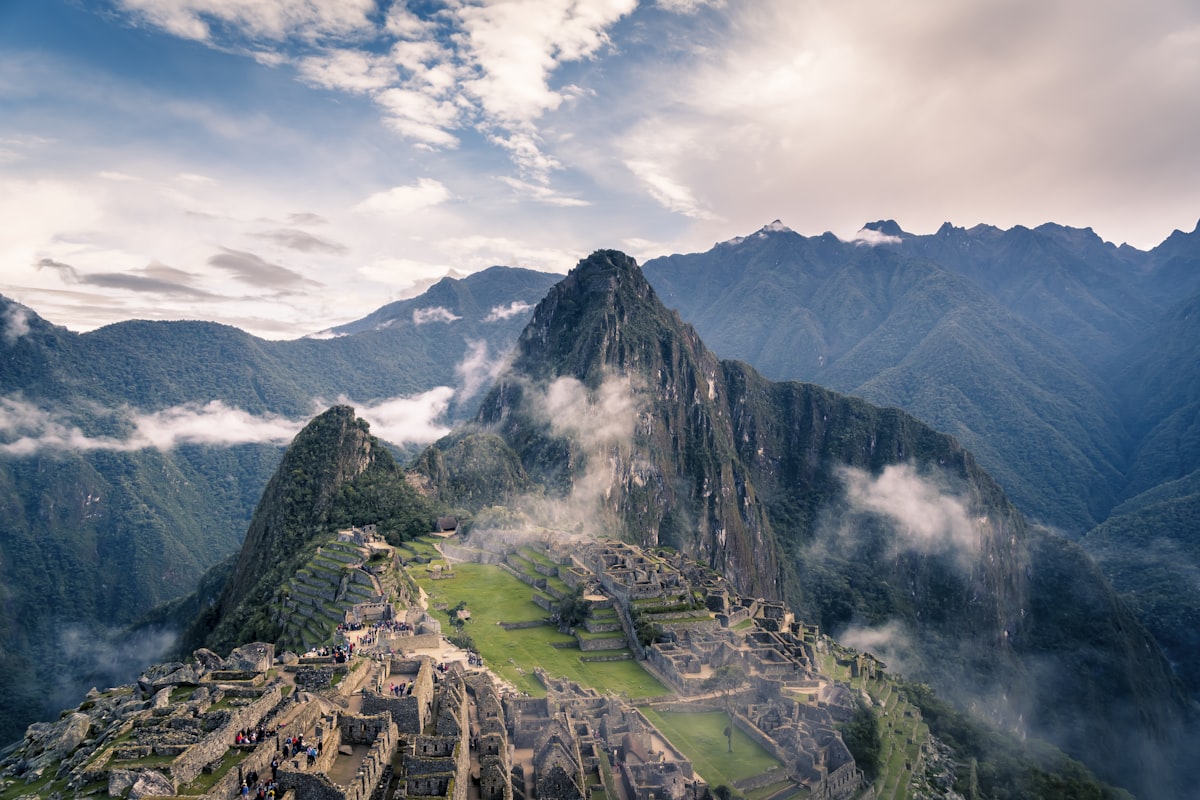
Machu Picchu and the Inca Empire: History, Mysteries, and How to Visit
Nearly 600 years after its construction and 113 years after its re-introduction to the outside world by Hiram Bingham, Machu Picchu remains unexplained in ways that continue to fascinate. Not unexplained in the tabloid sense — the Inca built it, prob...

The Galápagos Islands: Darwin, Evolution, and One of the World's Great Wildlife Encounters
In September 1835, a 26-year-old naturalist named Charles Darwin stepped ashore on the Galápagos Islands and began making observations that would, over the following decades, reshape humanity's understanding of life on Earth. Nearly 200 years later, ...

Torres del Paine: Trekking Guide to Patagonia's Crown Jewel
At the far southern tip of Chilean Patagonia, where the Andes crumble into the sub-Antarctic winds of the Southern Ocean, stands one of the most dramatic landscapes on Earth. Torres del Paine National Park takes its name from three ancient granite mo...

Salar de Uyuni: Visiting the World's Largest Salt Flat
There is a place in southwestern Bolivia where the earth becomes a mirror. After rain, a thin layer of water transforms a 10,582-square-kilometre expanse of salt into a near-perfect reflection of the sky — clouds floating below your feet, horizon dis...
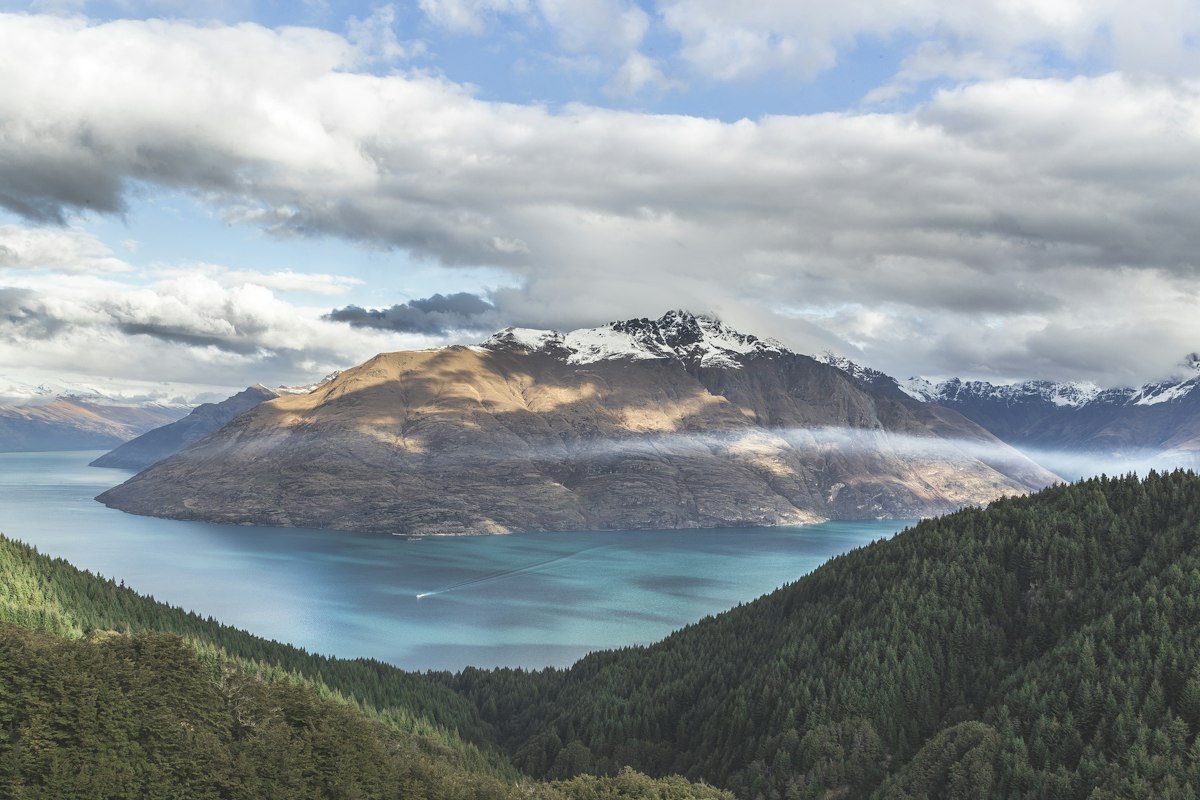
New Zealand Travel Tips: 20 Things to Know Before Your First Trip
New Zealand consistently ranks among the world's most desired travel destinations — and it delivers. But it's also a country full of small surprises that can trip up unprepared visitors. Here are 20 essential tips for your first trip to New Zealand. ...
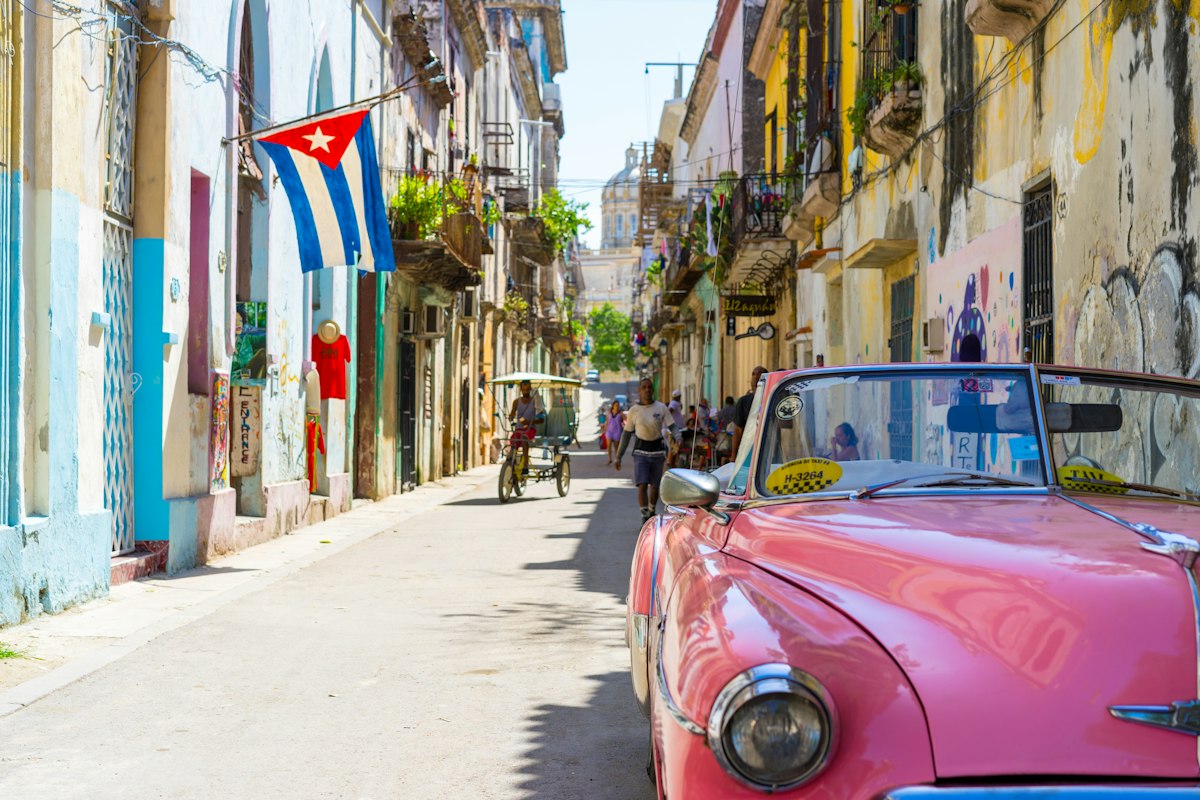
Cuba Travel Guide 2026: Best Destinations, Costs, and Insider Tips
Cuba is unlike anywhere else in the Caribbean. A country where 1950s American cars roll past colonial palaces, and where salsa dancing, or Casino spills out of open doorways. If you're planning a Cuba trip, this guide covers things you need to know t...