30 articles found

The Oldest Historic Place in Greece: The Palace of Knossos, Crete
If you want to stand somewhere ancient, and not just old, but the birth of civilization old then the Palace of Knossos on Crete is going to be it. The palace you see today was built around 1700 BC, and rebuilt after an earthquake destroyed an even ea...

Sana'a: Capital of Yemen, Cradle of One of the World's Oldest Cities
At an elevation of 2,300 metres above sea level and with a recorded history stretching back over two and a half millennia, Sana'a is among the most remarkable capital cities in the world. It is the capital of Yemen – a country that sits at the so...

Bryggen: Bergen's UNESCO World Heritage Hanseatic Waterfront
The row of pointed gables lining Bergen's eastern harbour – red, yellow, ochre, and weathered brown – is one of the most recognised skylines in Scandinavia. Bryggen (simply "the wharf" in Norwegian) was for four centuries the most important node in...

Viking Age Norway: History, Myths, and Where to Experience It Today
The Viking Age – broadly defined as the period from the first recorded Norse raid (Lindisfarne Monastery, 793 AD) to the Battle of Hastings (1066 AD) – transformed medieval Europe and established Norse seafarers as the most wide-ranging explorers of ...
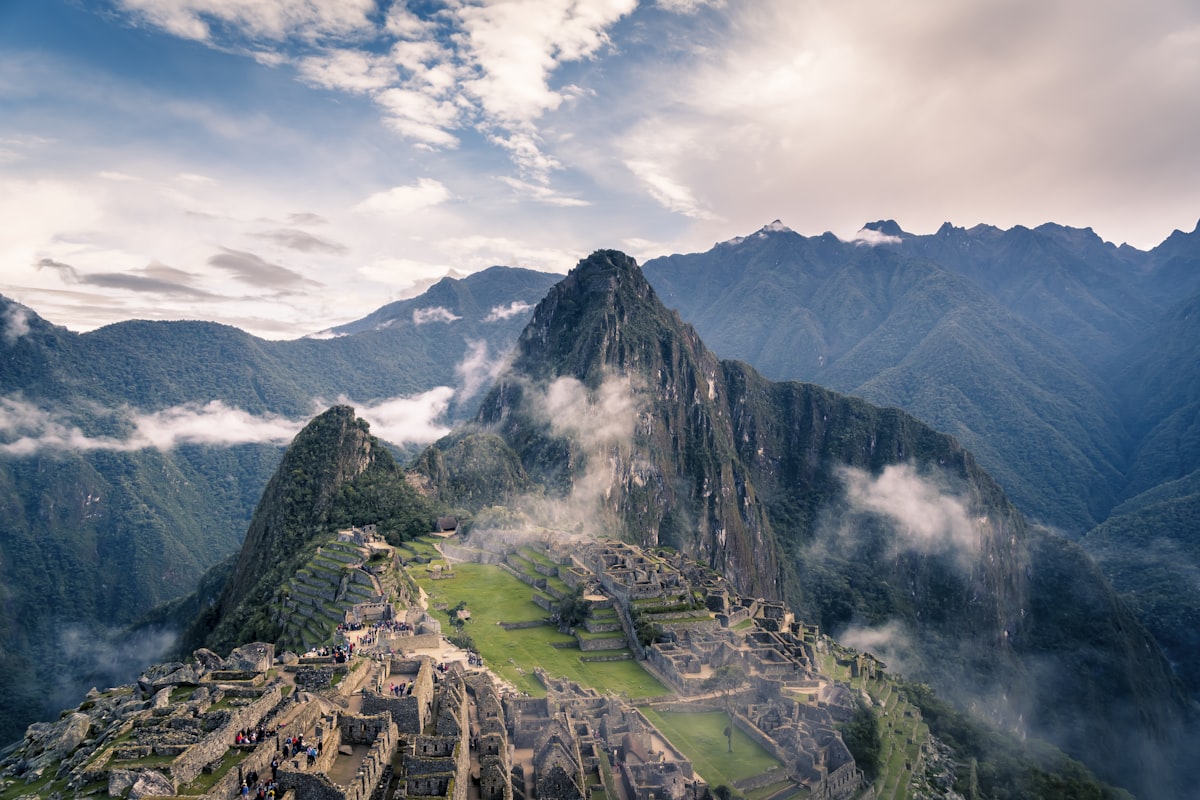
Machu Picchu and the Inca Empire: History, Mysteries, and How to Visit
Nearly 600 years after its construction and 113 years after its re-introduction to the outside world by Hiram Bingham, Machu Picchu remains unexplained in ways that continue to fascinate. Not unexplained in the tabloid sense — the Inca built it, pr...
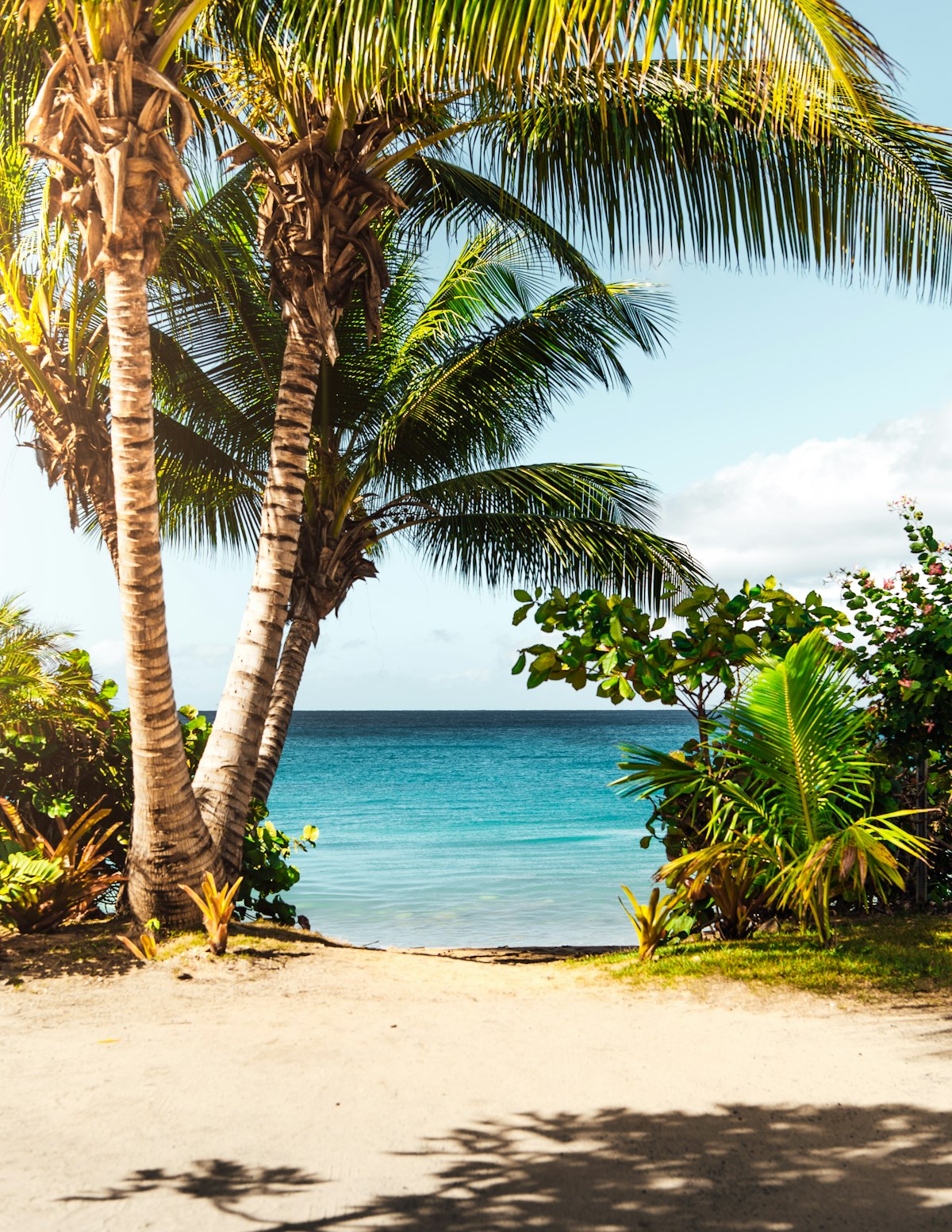
The Marshall Islands: Nuclear History, Ocean Culture, and a Nation Between Tides
The Marshall Islands occupy 1,225 islands and islets forming 29 coral atolls in the central Pacific — a nation that has endured one of the most devastating legacies of the 20th century and continues to face existential challenges from rising seas. Un...

Warsaw: The City That Refused to Die — History and What to See
No major European capital suffered more in the Second World War than Warsaw. By January 1945, when Soviet troops entered the city, it was a sea of rubble — 85% of its buildings destroyed, its entire pre-war population of 1.3 million expelled or kille...

The Odessa Catacombs: Ukraine's Vast Underground World
Every great port city has its secrets. In Ukraine's largest Black Sea city, Odessa, the secrets are buried — literally. Beneath the limestone bluffs and wide boulevards of this famous city lies the largest catacomb network in the world: an estimated ...

The Galápagos Islands: Darwin, Evolution, and One of the World's Great Wildlife Encounters
In September 1835, a 26-year-old naturalist named Charles Darwin stepped ashore on the Galápagos Islands and began making observations that would, over the following decades, reshape humanity's understanding of life on Earth. Nearly 200 years later...

A Brief History of Algeria: From Ancient Numidia to Independence and Beyond
Algeria's history is one of the most dramatic and layered in all of Africa. Understanding it isn't just academic — it directly shapes the Algeria you'll experience today, from the ruins you'll visit to the attitudes you'll encounter. Here's a conci...

Where Americans Loved to Travel in the 1960s
The 1960s were the golden age of American travel. The Interstate Highway System was brand new. Jet passenger service had just become mainstream. America was prosperous, optimistic, and eager to explore. Here's where people actually went — and why it ...

A Brief History of Cuba: From Columbus to Castro to Today
You can visit Cuba without knowing its history — but you'd be missing the point. Every crumbling mansion, every vintage car, every slogan painted on a wall tells a story that stretches back five centuries. Cuba's history is dramatic, painful, triumph...