
When you arrive at Luis Muñoz Marín International Airport in San Juan, you do not clear customs or immigration. The currency is the US dollar. Signs are in English and Spanish. Police drive Ford Explorers with lights and sirens identical to those in Miami or Chicago. Yet outside the airport, the streets have Spanish names, the dominant language is Spanish, the food is Caribbean, and the culture is unmistakably Boricua — not American. How did this happen?
1898: The Spanish-American War
Puerto Rico was a Spanish colony for nearly 400 years — from Columbus's arrival in 1493 to 1897, when Spain granted the island an Autonomous Charter giving it a degree of self-governance. That autonomy lasted less than a year. In April 1898, the United States declared war on Spain following the sinking of the USS Maine in Havana harbour. The war lasted 10 weeks. In its aftermath, under the Treaty of Paris (1898), Spain ceded Puerto Rico, Guam, and the Philippines to the United States, and sold Cuba's independence to American influence. Puerto Rico passed from one colonial power to another without a single vote by its people.
1917: US Citizenship — With Conditions
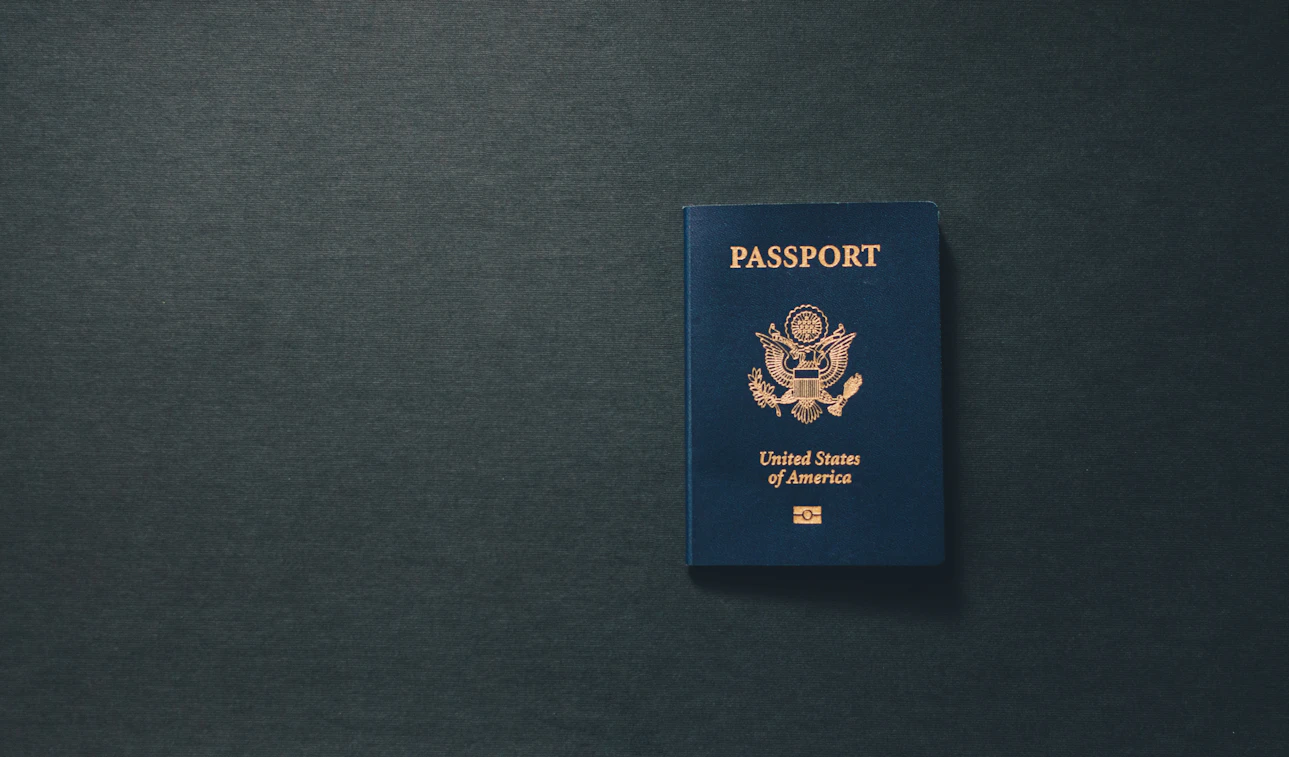
The Jones-Shafroth Act of 1917 granted US citizenship to Puerto Ricans. The timing was not coincidental: the US was about to enter World War I and needed eligible soldiers. Puerto Ricans gained the right to serve in the US military — and many did, in every American conflict from WWI to the present — but without all the rights of mainland US citizens. They could be drafted but could not vote for President while residing in Puerto Rico. They could not vote for voting members of Congress. They paid some federal taxes but not federal income tax if they lived on the island.
Commonwealth Status: 1952
In 1952, Puerto Rico adopted its own constitution and became an Estado Libre Asociado — translating as "Free Associated State," rendered in English as "Commonwealth." This arrangement gave Puerto Rico significant local self-governance (its own governor, legislature, courts) while maintaining its territorial relationship with the United States. It was a political compromise that satisfied almost no one completely: insufficient independence for those who wanted sovereignty, insufficient integration for those seeking statehood.
The Ongoing Status Question
Puerto Rico's political status remains the defining domestic issue of its politics. Three main camps exist:
- Statehood: Advocates argue that Puerto Ricans, as US citizens who serve in the military and contribute to the federal economy, deserve equal political representation. Statehood referendums held in 2012, 2017, and 2020 all produced pro-statehood majorities but Congress has not acted.
- Independence: A vocal but consistently minority position — roughly 5–8% in referendums — that argues Puerto Rico should be a fully sovereign nation, complete with its own foreign policy, currency, and international relationships.
- Enhanced Commonwealth: Those who prefer the current status with improvements — greater autonomy, enhanced local powers — without the full integration of statehood or the break of independence.
For visitors, understanding this history enriches every interaction with the island. The Puerto Rican identity is shaped by this complex position: US citizens who are not fully included, inheritors of a Spanish colonial past, and bearers of an African and Taíno Indigenous heritage that predates both. The result is a culture of extraordinary depth and specificity.