Polish food has a reputation problem abroad. Most people know only pierogi and perhaps bigos — and they've usually eaten mediocre versions of both outside Poland. In reality, Polish cuisine is deeply seasonal, regionally varied, and forms the backbone of one of Central Europe's most satisfying food cultures. Here's what to actually eat.
The essentials
Pierogi
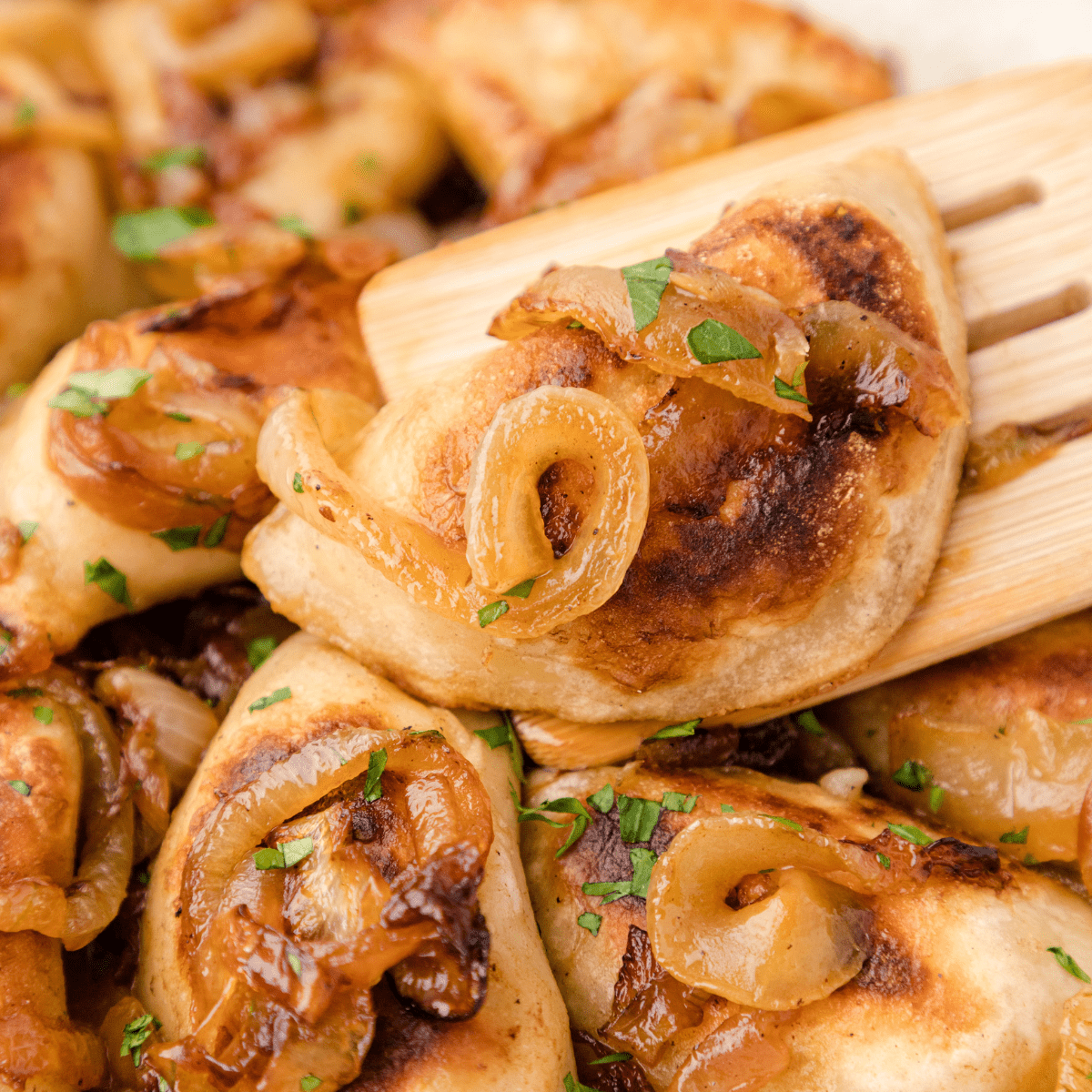
Poland's filled dumplings are the cornerstone of the cuisine — and they vary enormously. The classic fillings are:
- Ruskie — potato and white cheese (twaróg), the most popular
- Z kapustą i grzybami — sauerkraut and wild mushroom
- Z mięsem — minced meat
- Z jagodami / wiśniami — blueberry or sour cherry, served as dessert with sour cream
Good pierogi are boiled then pan-fried in butter until golden. Order them this way — avoid places that only boil them plain.
Żurek

A wonderfully sour rye soup made from fermented rye flour starter. Typically served in a bread bowl with a hard-boiled egg and slices of white sausage (biała kiełbasa) or smoked sausage. Available in every traditional restaurant and absolutely worth eating multiple times. It's the best hangover food in Poland.
Bigos
Often called "hunter's stew" — a slow-cooked combination of sauerkraut, fresh cabbage, various meats (pork, sausage, sometimes game), mushrooms, and juniper berries. Authentically, bigos improves with reheating and is made in large batches eaten over several days. A proper bigos is dense, smoky, and complex. Order it in traditional restaurants where it's been cooking all day.
Kiełbasa
Polish smoked sausage is an entire world unto itself — regional varieties vary dramatically. Kiełbasa wiejska (country sausage) and Kabanosy (thin, dry smoked pork sticks) are the most recognisable. Eat them grilled, in soups, or as bar snacks with mustard and bread.
Zapiekanka
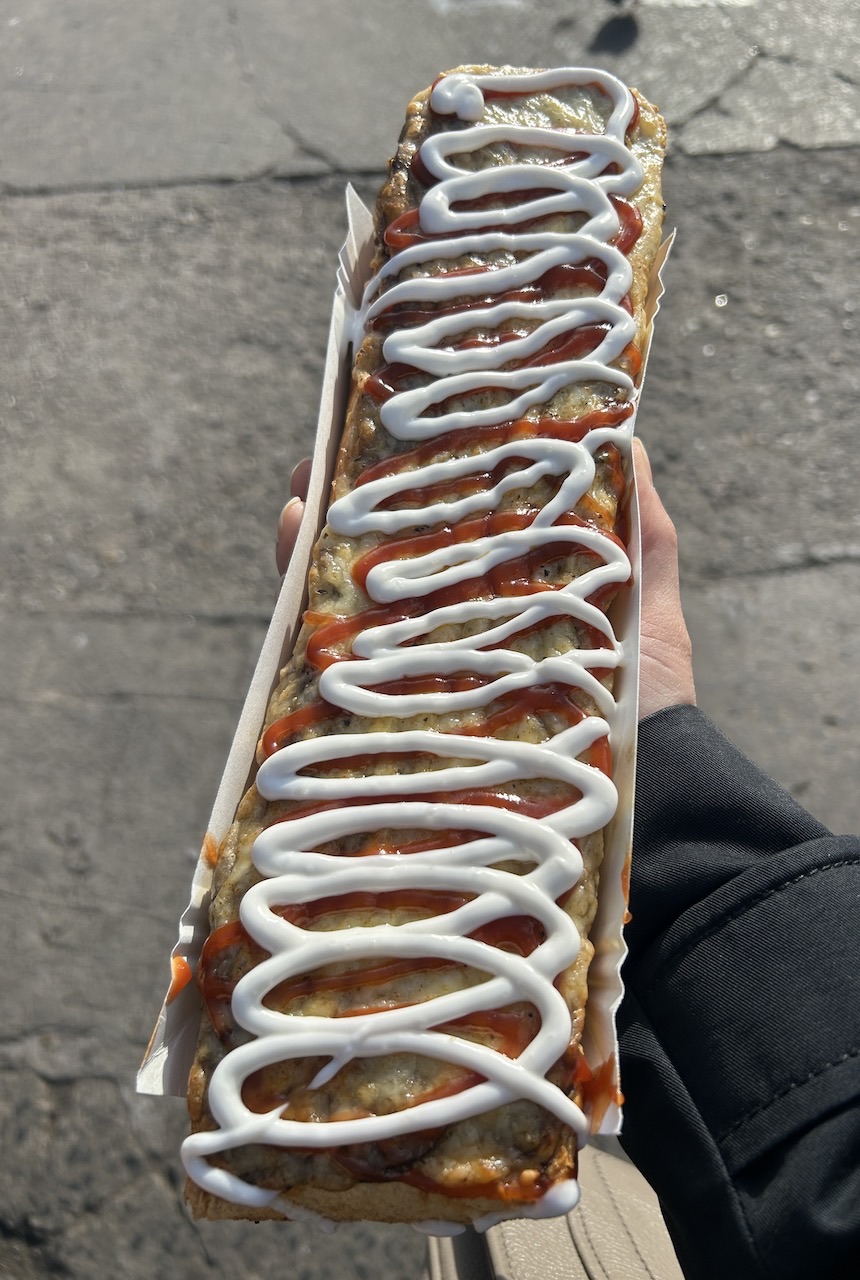
Street food: open-faced baguette halves topped with mushrooms, melted cheese, and ketchup. Considered low-end comfort food by Poles — but genuinely excellent at 2am after a night out in Kraków or Warsaw.
Regional specialties

- Oscypek — smoked sheep's cheese from the Tatra Mountains, usually served grilled with cranberry jam. Buy it from Zakopane mountain vendors.
- Obwarzanek krakowski — the ring-shaped street pretzel sold only in Kraków, by law a protected regional product since 2010.
- Pierogi z łososiem — salmon pierog, a more modern variant popular in Gdańsk and the north.
- Flaki — tripe soup — not for everyone, but deeply traditional across Poland.
Drinks
Wódka (vodka) in Poland bears no resemblance to the neutral spirit sold in the West. Polish premium vodkas — Żubrówka Bison Grass, Starka aged rye, Chopin potato vodka — have genuine flavour. Drink them chilled and straight, as Poland does. Craft beer has exploded in Polish cities since 2012 — Kraków, Warsaw, and Wrocław all have excellent taproom scenes. Kompot (fruit-stewed cold drink) and kefir are the everyday non-alcoholic drinks of Polish kitchens.
Where to eat
Look for milk bars (bary mleczne) — subsidised socialist-era canteens serving traditional food at extremely low prices. They're not tourist restaurants; they're where local workers eat lunch. In Kraków, Bar Mleczny Pod Temidą on Grodzka Street is essential. In Warsaw, Bar Mleczny Bambino on Krucza. Order at the counter, pay first, collect when your number is called.