Most people planning a Middle East trip think of Dubai's towers or Jordan's Petra. Far fewer think of Oman – and that's one of the things that makes Oman so extraordinary. It's a country that hasn't been over-explained, over-touristed, or turned into a theme park of itself. It is simply, quietly, one of the most beautiful and surprising destinations in the world.
What Oman Actually Is
Oman is an absolute monarchy on the southeastern tip of the Arabian Peninsula, bordered by Saudi Arabia, the UAE, and Yemen. It's roughly the size of Poland, with a population of about 4.5 million. Under Sultan Qaboos, who ruled from 1970 until his death in 2020, Oman transformed from one of the least developed countries on earth into a stable, prosperous, and genuinely functional state – without losing its cultural identity in the process.
It's not flashy like Dubai. It doesn't chase superlatives. What it has is authenticity: ancient souqs that actually sell things people use, forts that haven't been turned into Instagram sets, and a people who genuinely seem to enjoy having visitors – not because it's their job, but because kahwa (cardamom coffee) and dates are always better shared.
The Landscape Is Extreme

Oman's geography is genuinely dramatic. The Hajar Mountains run along the north, rising to 3,000 meters, with villages perched on cliff edges that look rendered rather than real. The Wahiba Sands in the east are classic red desert dunes – enormous, photogenic, and accessible. The Dhofar region in the south is green and fog-covered during the monsoon season (khareef), so different from the rest of the country that locals go there specifically to see grass and mist.
The wadis – seasonal river gorges – are Oman's most underrated offering. Wadi Shab is a two-hour hike through a canyon to an emerald swimming hole inside a cave. Wadi Bani Khalid has pools of clear water in the desert that look medically impossible. These are places you get to on your own, without crowds and ticket queues.
Muscat: A Capital That Surprises

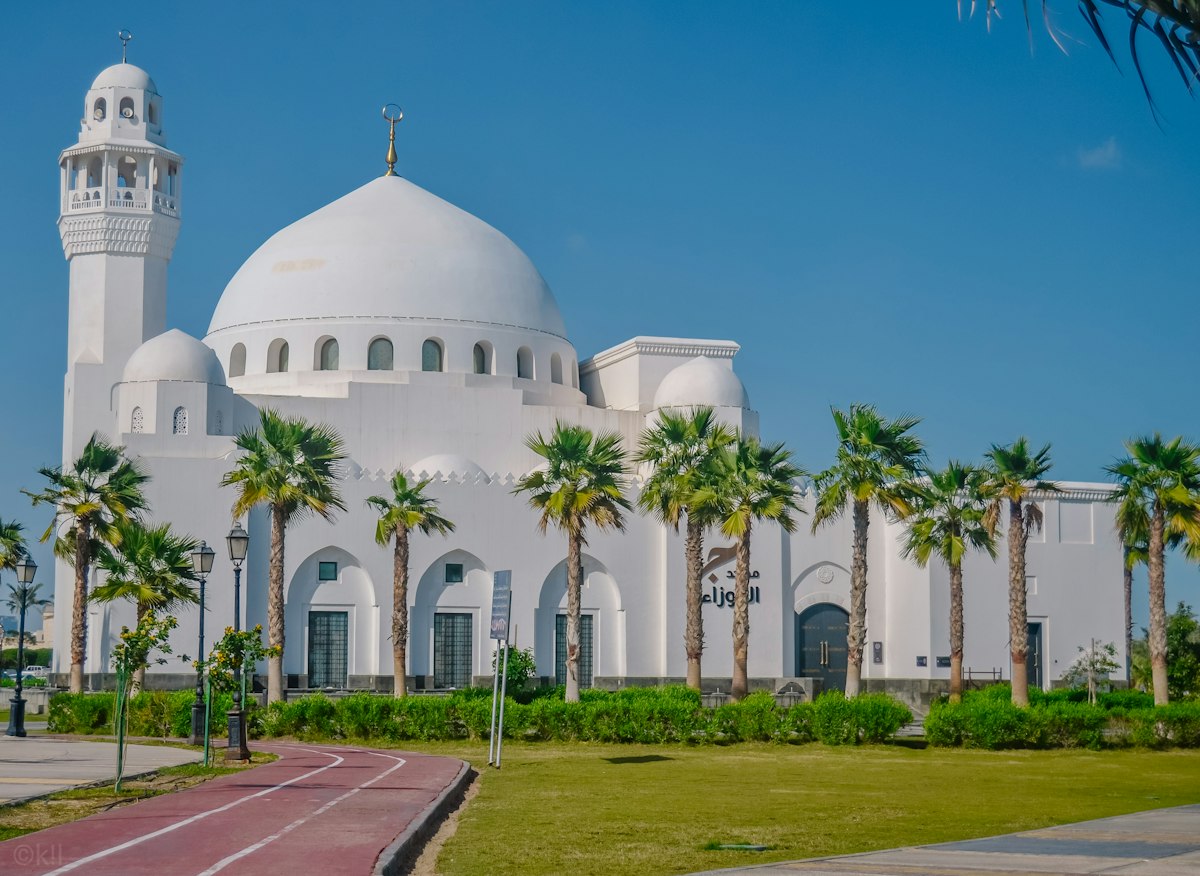
Oman's capital is low-rise by legal requirement (no building can exceed the height of a minaret), which gives Muscat a sprawling, horizontal character unlike any other Gulf capital. The Sultan Qaboos Grand Mosque is one of the most beautiful buildings in the Islamic world – its prayer hall chandelier alone weighs 8 tonnes and holds 1,122 lights. The Muttrah Souq is one of the oldest in Arabia and sells frankincense, silver, dried fish, and everything in between.
Frankincense
Oman is the world's primary source of high-quality frankincense, traded here for over 5,000 years. In Dhofar, the frankincense trees (Boswellia sacra) grow in dry limestone hillsides and produce a resin so historically significant that the ancient trade route it enabled is now a UNESCO World Heritage Site. You can buy raw frankincense in every market for a few dollars and burn it as it's been burned here for millennia.
Practical Notes
- Visa on arrival or e-visa for most Western nationalities, around $20–50
- Best time: October to March – mild, dry, perfect for driving and hiking
- You need a car. Oman is designed for road trips, not public transport.
- Alcohol is available in licensed hotels and some supermarkets – not in restaurants generally
- Dress conservatively outside of resort areas; Omanis are polite about it but appreciate the respect
- Extremely safe for solo travelers, including women – one of the safest countries in the region
Oman is what the Middle East offers when it stops trying to impress you and just exists. Give it a road trip's worth of time and it will give back something you didn't know was possible.